 English
 Español
 中文简体
 русский
Evaluating Chinese Padlock Suppliers: Which Quality Checks Matter
International buyers sourcing security hardware from China need to evaluate more than product prices and catalog specifications. A padlock may look consistent in product photographs, but its actual quality depends on material selection, machining accuracy, assembly control, and inspection procedures. These factors become particularly important for importers, wholesalers, hardware distributors, and private-label brands managing recurring orders.
At Wushi Locks, we understand that working with padlock manufacturers in china requires a clear understanding of manufacturing capabilities and quality management. Established in 1992, Zhejiang Pujiang Wushi Locks Co., Ltd. integrates product design, research and development, manufacturing, and trade. Our product range includes copper, iron, steel, aluminum, and zinc padlocks, as well as door locks. We believe a structured supplier evaluation helps buyers establish clear product expectations before placing orders.
1. Raw Material Inspection and Component Verification
Material quality affects the strength, durability, and appearance of a finished padlock. Buyers should request clear information about the materials used in different components rather than evaluating the entire lock through a single material description.
- Lock body: Verify the specified metal, dimensions, surface condition, and manufacturing consistency.
- Shackle: Check material composition, diameter, hardness requirements, and surface protection.
- Internal components: Review cylinder parts, springs, pins, and other components for dimensional accuracy and compatibility.
- Keys: Confirm key material, cutting accuracy, quantity, and matching requirements.
Incoming material inspection helps identify unsuitable components before they enter production. Buyers can also request material specifications or relevant inspection records for products with particular performance requirements.
2. Manufacturing Process and Dimensional Accuracy
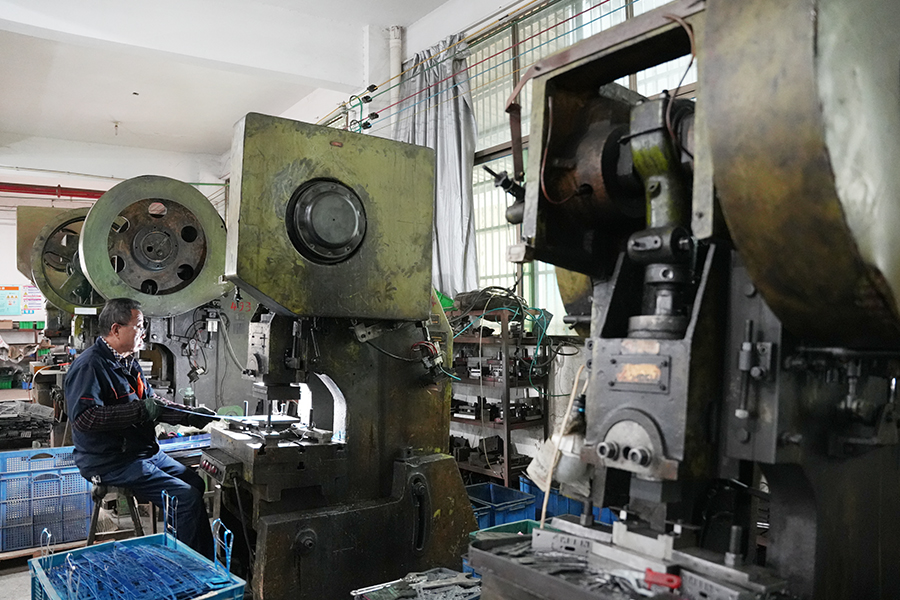
Padlock production involves several operations, including metal processing, drilling, machining, polishing, surface finishing, and assembly. Variations during these stages may affect the fit between components and the final operating performance.
During supplier evaluation, we recommend reviewing the following production details:
- Dimensional tolerances for the lock body and shackle.
- Accuracy of drilling, threading, and component positioning.
- Consistency of polishing, plating, and other surface treatments.
- Assembly alignment and fitting between internal components.
- Production records and procedures for handling defective parts.
These checks help buyers understand whether a manufacturer can maintain approved specifications across different production batches. At Wushi Locks, we encourage customers to communicate their drawings, samples, and technical requirements clearly during product discussions.
3. Functional Testing: More Than Appearance Inspection
A visually attractive padlock does not necessarily indicate reliable mechanical performance. Functional inspection should form part of the product evaluation process, particularly for wholesale orders and customized projects.
Buyers can discuss several practical testing items with their suppliers:
- Locking and unlocking: Check whether the mechanism engages and releases smoothly.
- Key operation: Examine key insertion, rotation, and removal.
- Shackle operation: Verify opening, closing, and locking engagement.
- Cycle testing: Assess mechanical operation over an agreed number of repeated cycles.
- Security testing: Review applicable resistance tests according to the product design and intended application.
Test conditions and acceptance criteria should be confirmed before production. A supplier's statement that products are tested is less informative than documented inspection procedures and measurable results.
4. Surface Finishing and Corrosion Resistance
Padlocks intended for outdoor or humid environments require suitable surface protection. Different body materials and finishing processes have different environmental resistance characteristics.
Buyers should pay attention to coating coverage, plating consistency, discoloration, scratches, and exposed metal areas. Corrosion testing may also be relevant to projects involving coastal facilities, warehouses, agricultural sites, and outdoor gates.
For standardized evaluations, buyers can discuss applicable testing methods such as EN 1670 corrosion resistance testing. The required grade and acceptance criteria should match the intended application. Test exposure duration should not be treated as a direct measurement of actual service life.
5. Production Batch Consistency and Final Inspection
Sample approval is an important stage, but maintaining the same specifications during mass production requires additional quality controls. A sample may meet the agreed requirements while later batches show differences in dimensions, finishing, or key operation.
We recommend checking these areas before shipment:
- Compare finished products with the approved sample and technical drawings.
- Inspect body dimensions, shackle clearance, and surface appearance.
- Check locking functions and key matching across sampled units.
- Verify product models, quantities, accessories, and packaging labels.
- Review inspection records and nonconformity handling procedures.
For recurring orders, retaining approved samples and inspection records provides a useful reference for subsequent purchases. Third-party pre-shipment inspection can also be arranged according to the buyer's quality requirements.
6. Assessing a Supplier's OEM and Customization Support
Quality management also involves controlling customized specifications. Private-label buyers may require changes to logos, colors, product dimensions, key configurations, and retail packaging. Each modification should be documented and approved before production.
At Wushi Locks, we work with international buyers on different padlock and door lock sourcing requirements. Our product development and manufacturing operations support discussions covering product specifications, design requirements, and customization arrangements.
Before confirming an OEM project, buyers should clarify:
- Logo placement and marking methods.
- Material and surface finish specifications.
- Key configuration and accessory requirements.
- Packaging artwork and labeling details.
- Sample approval and production inspection procedures.
Build a Clear Quality Evaluation Process with Wushi Locks
Evaluating a Chinese padlock supplier requires a combination of material verification, manufacturing assessment, functional testing, and production batch inspection. Price comparisons alone cannot provide sufficient information about product consistency or manufacturing suitability.
At Wushi Locks, we value clear communication throughout the sourcing process. Whether you are purchasing copper padlocks, steel padlocks, aluminum padlocks, or customized locking products, our team can discuss your technical specifications and order requirements.
Contact Wushi Locks to discuss your wholesale or OEM padlock project and obtain product information suited to your target market.
Evaluating Chinese Padlock Suppliers: Which Quality Checks Matter
High Security Padlock Factory
Copyright © Zhejiang Pujang Wushi Locks Co., Ltd. All Rights Reserved.
