 English
 Español
 中文简体
中文简体 русский
How Reliable Are Safety Zinc Alloy Alarm Padlocks in Busy or High-Noise Environments
Security challenges in crowded areas are not always caused by advanced break-in methods. Many theft situations happen through quick access, unnoticed movement, or attempts made in places where people are distracted. Airports, warehouses, public storage areas, parking spaces, and commercial facilities all face situations where traditional locks may provide physical protection but cannot immediately attract attention.
The combination of mechanical locking and audible warning technology has made alarm padlocks an interesting option for these environments. The Safety Zinc Alloy Alarm Padlock adds an electronic alert function to a conventional locking structure, creating both a physical barrier and a visible deterrent. However, its reliability depends on factors such as alarm sensitivity, sound output, battery condition, and surrounding noise levels.
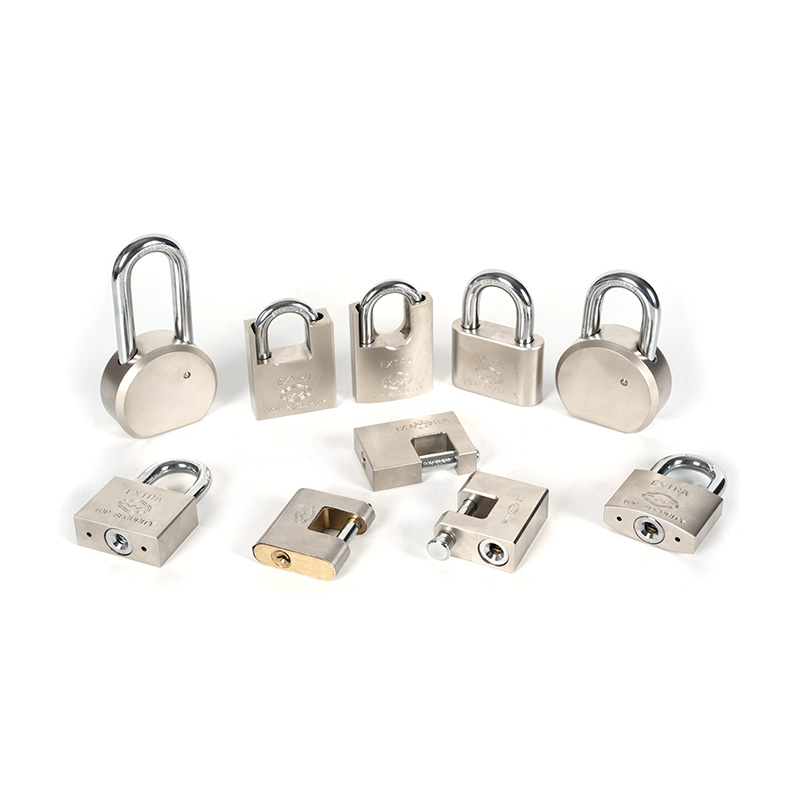
How alarm functions improve everyday security awareness
Traditional padlocks mainly prevent access through physical resistance. Alarm padlocks add another security layer by reacting to movement, impact, or tampering attempts. Many alarm padlock models use vibration sensors or motion detection systems that activate a siren after abnormal activity is detected.
This approach changes the role of a padlock from a passive security device into an active warning system.
- Instant sound notification can attract nearby attention during unauthorized handling
- Visible alarm features may discourage casual interference
- Dual protection design combines mechanical locking with electronic monitoring
Many alarm padlocks are designed with dual operating modes, allowing users to activate either normal locking or alarm-enabled protection depending on the application.
Performance of zinc alloy bodies in practical applications
Zinc alloy is commonly used in alarm padlock housings because it provides a balance between manufacturing flexibility, corrosion resistance, and structural stability. The material allows manufacturers to integrate electronic components, battery compartments, sensors, and locking mechanisms into a compact body.
A typical Safety Zinc Alloy Alarm Padlock may include:
- Zinc alloy lock body for protection of internal electronic components
- Hardened metal shackle to improve resistance against physical stress
- Integrated vibration sensor to detect movement or impact
- Battery-powered alarm module for independent operation
Some commercial alarm padlocks combine zinc alloy casings with hardened shackles, weather-resistant structures, and high-decibel sirens designed for outdoor and industrial applications.
Can alarm padlocks work effectively in noisy locations?
Busy environments create unique challenges for any audible security device. A warehouse with machinery, a parking area near traffic, or a crowded transportation hub may already have significant background noise.
The effectiveness of an alarm depends on several technical factors:
- Alarm volume level determines how far the warning sound can travel
- Sound frequency affects how easily people recognize the alarm signal
- Location placement influences whether nearby people can hear the alert
Many alarm padlocks produce sound levels around 100–110 dB, depending on the design. Such output is intended to create a noticeable warning signal during unauthorized movement or tampering.
However, users should understand that an alarm is a notification tool, not a guarantee that someone will immediately respond. Highly crowded or noisy areas may reduce attention to any single sound source.
False alarms and sensor sensitivity concerns
A reliable alarm padlock must balance sensitivity and stability. A sensor that reacts too easily may create unnecessary alarms, while a sensor with low sensitivity may fail to detect suspicious movement.
Important design considerations include:
- Shock detection accuracy to identify abnormal impact without frequent false triggers
- Internal sensor calibration to maintain consistent operation
- Secure activation design to prevent accidental alarm switching
Some alarm padlocks use digital sensor chips and internal control systems to manage triggering behavior and reduce unnecessary activation.
Battery life becomes a key reliability factor
Unlike traditional padlocks, alarm models depend on power supply. Battery performance directly affects whether the warning function works during critical moments.
Users should pay attention to:
- Battery replacement intervals
- Low-power standby design
- Protection of battery compartments from moisture
Some alarm padlocks use multiple button batteries and sealed compartments to extend standby operation. Product specifications commonly mention battery-powered systems designed for several months of standby use, depending on usage conditions.
Where Safety Zinc Alloy Alarm Padlocks provide practical value
The main advantage of an alarm padlock appears in situations where users need both locking protection and immediate awareness.
- Storage rooms where unauthorized access needs attention
- Outdoor gates exposed to occasional tampering
- Tool boxes and equipment cases requiring portable protection
- Bicycles and personal property located in public spaces
These applications benefit from the combination of deterrence and notification rather than relying only on physical strength.
Limitations users should consider before installation
Although alarm functions provide additional security awareness, they do not replace proper security planning. A padlock should match the actual environment and risk level.
Several limitations should be considered:
- Noise interference may reduce how quickly people notice an alarm
- Battery dependency requires regular inspection
- Physical lock strength remains important against forced attacks
The alarm function improves response opportunities, while the mechanical structure determines resistance against physical attempts.
Final evaluation of alarm padlock reliability
The Safety Zinc Alloy Alarm Padlock offers a practical security solution for users who need more than a standard lock. Its combination of zinc alloy construction, mechanical locking, and audible warning technology provides additional protection in daily environments.
Busy or high-noise locations may affect how quickly an alarm is noticed, yet a properly designed alarm padlock still adds valuable deterrence and awareness. Regular battery checks, suitable installation, and realistic expectations are essential for achieving reliable performance.
How Reliable Are Safety Zinc Alloy Alarm Padlocks in Busy or High-Noise Environments
High Security Padlock Factory
Copyright © Zhejiang Pujang Wushi Locks Co., Ltd. All Rights Reserved.
