 English
 Español
 中文简体
中文简体 русский
What Defines A Factory High Quality Padlock
A padlock is a small item, but it often carries a serious responsibility. It protects doors, storage areas, gates, and personal belongings. Once it is in place, people expect it to work without trouble, sometimes for a long time.
When a padlock comes from a factory, the expectation is not only about how it looks on day one. It is more about how it behaves after repeated use, after handling, and after being exposed to different conditions.
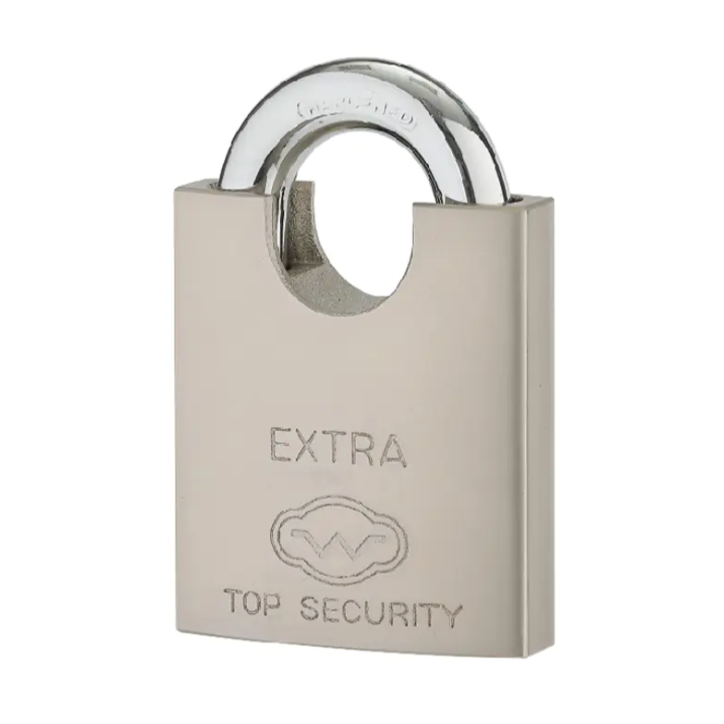
A "high quality" factory padlock is usually not defined by one single detail. It is a mix of structure, material, and how carefully the production process is managed.
Why Does Factory Production Influence Padlock Quality?
Factory production usually follows a fixed flow. Parts are made, assembled, and checked in a repeated pattern. This kind of structure reduces randomness in output.
In simple terms, it means each padlock is less likely to feel different from the next one.
That matters in daily use. A lock that feels smooth today but stiff tomorrow creates doubt. A more controlled production process helps avoid that kind of inconsistency.
| Production aspect | What it changes in real use |
|---|---|
| Repeated process | More stable product feel |
| Controlled assembly | Fewer unexpected differences |
| Step-by-step checks | More predictable performance |
| Standard handling | Consistent user experience |
The goal is not complexity. It is steadiness.
How Do Materials Affect How A Padlock Feels Over Time?
Materials are not always obvious when looking at a padlock. Most users see only the outer shell. But inside, the material choice has a direct effect on how long it keeps working smoothly.
A factory-made high quality padlock usually relies on materials that stay stable after repeated movement and contact. The idea is simple: parts should not change shape or feel too quickly.
Over time, weaker materials may to looseness or uneven movement. Better-controlled materials help reduce that change.
What users often notice is not the material itself, but the feeling:
- Smooth turning when unlocking
- Stable closing without hesitation
- Less change in movement after long use
These small experiences usually come from what is inside, not what is visible.
Why Does Structure Matter More Than Appearance?
At glance, many padlocks look similar. The difference becomes clear only when they are used.
Structure decides how parts fit together and move against each other. If alignment is not stable, the lock may feel uneven or inconsistent.
A well-structured padlock usually feels simple to operate. Nothing sticks, nothing feels out of place.
| Structural part | What users usually feel |
|---|---|
| Lock body layout | Overall balance during use |
| Internal fit | Smooth movement |
| Shackle alignment | Easy locking action |
| Moving parts spacing | Stable operation feel |
When structure is well managed, the lock feels natural, even if the user does not think about why.
How Is Consistency Achieved In Factory Production?
Consistency is one of the main signs of a well-managed production process. It means different units of the same product feel similar when used.
In padlocks, consistency shows up in simple ways. The key turns in a similar way. The locking action feels familiar. The movement does not change from one unit to another.
This is not about perfection. Small variation always exists. The goal is to keep those differences small enough that users do not notice them.
Consistency often depends on:
- Stable assembly steps
- Repeated inspection during production
- Careful handling of parts
- Controlled finishing process
When these steps stay steady, the final product tends to feel more uniform.
What Role Does Surface Finish Play In Everyday Use?
The outer surface of a padlock is not only for appearance. It also affects how it behaves in real environments.
A smoother and more controlled finish can help the product resist everyday wear from handling, storage, and contact with other objects.
Over time, surface differences become more visible. Some locks stay cleaner in appearance, while others show wear earlier.
Even if users do not focus on it, the surface contributes to how the product feels in hand.
A stable finish often gives a sense of reliability, even before the lock is used.
Why Is Testing Part Of The Production Process?
Before a padlock leaves the factory, it usually goes through basic checks. These are not complicated steps. They focus on how the lock behaves during normal use.
The purpose is simple: make sure the product works as expected before it reaches users.
Common checks include:
- Whether the lock opens and closes smoothly
- Whether the parts move without resistance
- Whether repeated use changes the feel
- Whether the structure stays stable
These checks help reduce variation. They also help keep the overall output more consistent across batches.
How Do Users Experience Quality In Daily Use?
For people, quality is not judged by internal design. It is judged by daily experience.
A high quality factory padlock usually feels easy to use. It does not require force or adjustment. It responds in a steady way every time.
Over time, users tend to notice patterns:
- Some locks stay smooth after long use
- Some start to feel uneven
- Some remain stable without change
These differences are often the result of small details in production, even if they are not visible at first.
Can A Padlock Fit Different Usage Conditions?
Padlocks are used in many places. Some are used outdoors, some indoors, some are opened frequently, and others stay locked for long periods.
A well-made factory padlock is usually designed to handle different usage habits without changing its basic behavior.
What matters is not adapting to every situation, but staying stable in more of them.
Common use situations include:
- Storage areas
- Gates and entry points
- Travel or temporary use
- Long-term fixed locking
Each situation places slightly different pressure on the product, but stability remains the main expectation.
What Happens To Quality Over Long-Term Use?
Short-term performance can look fine for many products. The real difference appears after repeated use.
Over time, small changes may appear if internal structure or materials are not stable. Movement may feel slightly different. Locking may feel less smooth.
In better-controlled factory products, these changes are usually slower. The feel remains closer to the original condition for a longer time.
This slow change is often what people notice as "reliable use." Not because nothing changes, but because changes happen gradually.
What Really Defines A Factory High Quality Padlock ?
There is no single feature that defines it. It is more about how different parts work together.
Stable structure, consistent production, controlled material choice, and steady user experience all play a role.
When these elements stay aligned, the padlock does its job quietly. It opens, locks, and holds without drawing attention.
That steady behavior, repeated over time, is usually what people recognize as quality in real use.
What Defines A Factory High Quality Padlock
High Security Padlock Factory
Copyright © Zhejiang Pujang Wushi Locks Co., Ltd. All Rights Reserved.
