 English
 Español
 中文简体
 русский
Are Gate Padlocks Suitable for Long-Term Outdoor Security
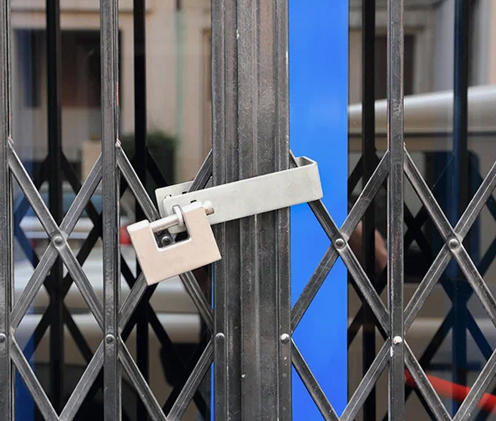
Outdoor gates are constantly exposed to environmental changes, physical contact, and potential unauthorized access. A padlock installed on a garden gate, warehouse entrance, industrial fence, or commercial storage area must maintain reliable operation throughout its service life. Rainwater, humidity, dust, temperature fluctuations, and direct sunlight can gradually affect the lock body, shackle, and internal mechanism. These conditions make durability an important consideration during security hardware procurement.
At Wushi Locks, we understand that purchasing security padlocks for gates involves more than comparing body sizes or exterior finishes. Buyers need to evaluate material properties, corrosion resistance, locking structures, installation compatibility, and maintenance requirements together. A suitable specification helps distributors, contractors, and property managers establish realistic expectations for long-term outdoor applications.
1. How Outdoor Conditions Affect Padlock Performance
Environmental exposure is a major factor influencing the service life of outdoor locking hardware. Different installation locations create different levels of stress, so buyers should assess the actual operating environment before confirming a product specification.
Rainwater and Humidity
Continuous exposure to moisture can cause corrosion on unprotected steel surfaces. Water entering the keyway or internal locking mechanism may also affect smooth operation. Areas with frequent rainfall or high humidity require careful attention to surface treatments, material selection, and protective construction.
Temperature Fluctuations
Outdoor padlocks may experience significant temperature changes between daytime and nighttime. Repeated expansion and contraction can affect material performance and the condition of certain surface finishes. Low temperatures may also make moisture around the keyway more difficult to remove, potentially interfering with normal operation.
Dust and Environmental Contamination
Industrial facilities, construction sites, farms, and roadside installations often expose locks to dust, sand, and other particles. Accumulated debris around the shackle and keyway can increase operating resistance. Protective covers and appropriate maintenance procedures help reduce contamination-related problems.
Procurement consideration: Buyers should describe the installation location, expected weather exposure, and operating frequency rather than relying on general descriptions such as outdoor grade or weather-resistant.
2. Material Selection: Balancing Corrosion Resistance and Physical Security
The body and shackle serve different structural purposes. Their materials should therefore be evaluated separately instead of assuming that a single material specification determines the performance of the complete padlock.
Brass Padlock Bodies
Brass offers useful natural corrosion resistance and is commonly used in mechanical padlock construction. Its material properties make it suitable for various moisture-exposed applications. Buyers should also consider body thickness, internal component design, and the material used for the shackle.
Hardened Steel Shackles
Steel shackles are widely used in applications requiring resistance to cutting and mechanical deformation. Heat treatment can improve hardness and support physical security requirements. However, exposed steel surfaces still require suitable corrosion protection, particularly in humid or coastal environments.
Stainless Steel Components
Stainless steel can provide additional corrosion resistance, depending on its grade and the surrounding conditions. Different stainless steel grades have different resistance characteristics, especially in environments containing salt or industrial contaminants. Buyers should request the actual material specification rather than treating all stainless steel components as equivalent.
Surface Treatment and Protective Finishes
Nickel plating, chrome plating, protective coatings, and other finishing processes can help reduce environmental damage. Their suitability depends on coating thickness, surface preparation, production consistency, and the intended operating conditions.
At Wushi Locks, we encourage buyers to compare body material, shackle material, and surface treatment as separate specification items. This approach makes product evaluation clearer and helps prevent misunderstandings during OEM and wholesale procurement.
3. Corrosion Resistance Testing: Which Details Should Buyers Check?
Product descriptions frequently use terms such as anti-rust, waterproof, or weather-resistant. However, these expressions do not always provide measurable information about environmental durability. Buyers handling commercial or industrial projects can request relevant test documentation to support their purchasing decisions.
EN 12320 is a European standard covering mechanical padlocks and padlock fittings. It addresses strength, security, durability, performance, and corrosion resistance through defined testing methods.
Its corrosion resistance classification references EN 1670, with the following test exposure periods:
- Grade 1: 24 hours of corrosion testing.
- Grade 2: 48 hours of corrosion testing.
- Grade 3: 96 hours of corrosion testing.
- Grade 4: 240 hours of corrosion testing.
- Grade 5: 480 hours of corrosion testing.
These classifications provide a useful reference for comparing tested corrosion resistance. However, salt spray exposure time should not be interpreted as a direct prediction of the number of years a padlock will last outdoors. Actual service life also depends on installation conditions, maintenance, material combinations, and environmental exposure.
Buyers should request the following information during supplier evaluation:
- Available corrosion test reports and applicable standards.
- Material specifications for the lock body and shackle.
- Surface treatment details and coating requirements.
- Functional inspection results after environmental testing.
- Consistency of finishing quality across production batches.
Clear documentation helps importers and distributors compare different padlock configurations using measurable criteria rather than marketing descriptions alone.
4. Shackle Design and Gate Hardware Compatibility
Corrosion resistance is only part of long-term outdoor security. The connection between the padlock and the gate hardware also affects overall protection. A lock that does not fit the hasp, chain, or locking loop correctly may create installation difficulties or leave unnecessary exposed space.
Several dimensions deserve attention during product specification:
- Shackle diameter: Determines whether the metal loop can pass through the available opening in the gate hardware.
- Internal shackle width: Needs to accommodate the width of the hasp or chain connection.
- Internal shackle height: Determines the available vertical clearance after installation.
- Exposed shackle length: Should be appropriate for the locking arrangement without unnecessary clearance.
- Lock body dimensions: Must provide sufficient space for closing, opening, and key operation.
For example, a gate using a heavy-duty chain may require a longer shackle than a gate fitted with a compact metal hasp. However, additional shackle length is not automatically beneficial. Excessive exposed space may provide greater access for cutting or twisting tools.
Our recommendation is to obtain dimensional drawings and physical samples for compatibility checks before confirming a large procurement order. Buyers should also inspect the condition of the gate frame, hinges, hasp, and mounting hardware because the complete locking assembly determines the actual level of protection.
5. Locking Mechanisms and Access Management
Long-term gate security also depends on how authorized personnel access the property. Different facilities have different requirements regarding key distribution, user turnover, and access control procedures.
Keyed Padlocks
Traditional keyed padlocks provide straightforward mechanical access. They are suitable for locations where the number of authorized users is relatively controlled. Buyers should discuss key configuration, replacement arrangements, and the availability of keyed-alike options for facilities using multiple locks.
Keyed-Alike Configurations
A keyed-alike arrangement allows several compatible padlocks to operate with the same key. This can simplify daily access management across multiple gates, storage areas, or maintenance entrances. However, key distribution should remain controlled, particularly at commercial and industrial sites.
Combination Padlocks
Combination mechanisms eliminate the need to distribute physical keys for routine access. They may suit shared facilities, temporary access points, and locations with changing user groups. Property managers should establish procedures for code updates and access changes to maintain effective security management.
At Wushi Locks, we recognize that access arrangements are an important part of wholesale and project procurement. Buyers should communicate their intended usage and key management requirements so that suitable locking configurations can be discussed before production.
6. Maintenance Planning for Extended Outdoor Use
Even a padlock designed for outdoor applications requires periodic inspection. Environmental exposure can gradually affect moving components, protective finishes, and the connection between the lock and gate hardware.
A practical maintenance schedule can include the following tasks:
- Inspect the exterior: Check for visible rust, coating damage, cracks, or deformation.
- Examine the shackle: Look for corrosion, unusual wear, and signs of mechanical damage.
- Check keyway operation: Confirm that the key enters, turns, and releases the locking mechanism smoothly.
- Remove accumulated debris: Keep dust, mud, and other contaminants away from moving components.
- Review mounting hardware: Check the hasp, chain, screws, and gate structure for looseness or damage.
- Follow lubrication instructions: Use maintenance products recommended for the specific locking mechanism.
Facilities located near coastal areas, chemical processing sites, or frequently washed outdoor spaces may require more frequent inspections. Maintenance records can also help property managers identify recurring issues and establish appropriate replacement schedules.
7. What Should Buyers Include in an Outdoor Padlock Procurement Specification?
A detailed procurement brief helps manufacturers understand the application and provide relevant product information. Rather than requesting a general-purpose outdoor padlock, importers and project contractors should prepare a specification covering the actual installation requirements.
The following checklist can support supplier communication:
- Application: Residential gates, warehouse entrances, industrial fences, or commercial facilities.
- Material: Required lock body and shackle materials.
- Dimensions: Body width, body height, shackle diameter, and internal clearance.
- Surface treatment: Plating, coating, or other protective finishing requirements.
- Security requirements: Shackle construction, locking structure, and relevant test documentation.
- Environmental conditions: Rainfall, humidity, coastal exposure, dust, and temperature variations.
- Access configuration: Standard keyed, keyed alike, or combination operation.
- Packaging requirements: Individual packaging, bulk cartons, labeling, and customized branding.
Providing these details allows manufacturers to review the intended application more accurately. It also reduces specification gaps during sample approval, production confirmation, and international order communication.
Work with Wushi Locks on Your Outdoor Padlock Requirements
Long-term outdoor gate security depends on several connected factors rather than a single material or design feature. Corrosion resistance, shackle strength, dimensional compatibility, locking mechanism performance, and maintenance planning all deserve attention during procurement.
At Wushi Locks, we work with distributors, wholesalers, importers, and project buyers seeking mechanical padlocks for different applications. Our product range covers various body materials, shackle configurations, sizes, and locking structures to support different sourcing requirements.
Whether your project involves residential fencing, warehouse gates, commercial entrances, or industrial access points, our team can discuss the relevant product specifications and customization requirements. Share your application details, preferred dimensions, material expectations, and packaging requirements with us to begin a product inquiry.
Contact Wushi Locks to discuss your gate padlock sourcing requirements and develop a specification suited to your intended outdoor application.
Are Gate Padlocks Suitable for Long-Term Outdoor Security
High Security Padlock Factory
Copyright © Zhejiang Pujang Wushi Locks Co., Ltd. All Rights Reserved.
