 English
 Español
 中文简体
中文简体 русский
Are Solid Iron Key Locks Still Reliable for Heavy-Duty Protection
Security challenges continue changing as warehouses, industrial facilities, outdoor storage areas, and private properties require stronger protection solutions. Although smart security systems are becoming more common, traditional mechanical locks still maintain strong demand because of their simple structure, stable operation, and long service life.
Among these traditional solutions, the Solid Iron Keyed Security Lock remains an important option for applications that require durable physical protection. With a strong metal body, reinforced locking components, and dependable keyed mechanisms, solid iron locks are designed to handle demanding environments where basic locks may not provide sufficient protection.
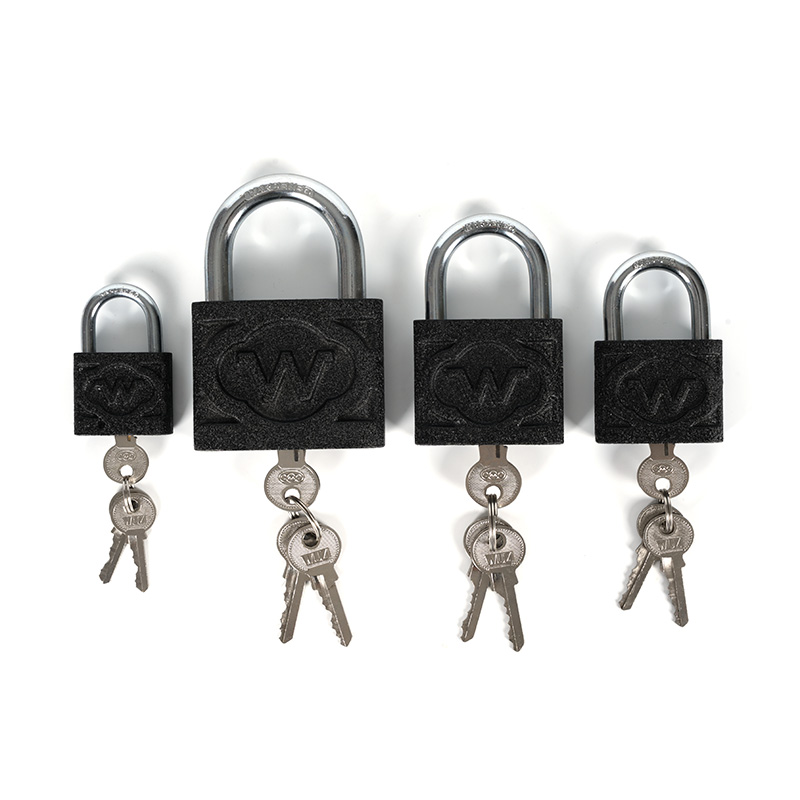
1. Solid Iron Construction Provides Structural Strength
The material of a padlock directly affects its ability to withstand external pressure. Solid iron has been widely used in heavy-duty locking products because of its strong mechanical properties and rigid structure. Compared with lightweight materials, iron lock bodies offer a heavier construction that is suitable for applications requiring additional physical protection.
A Solid Iron Keyed Security Lock typically combines a solid iron body with a hardened steel shackle and reinforced internal parts. This structure creates a reliable barrier against common physical threats while maintaining smooth daily operation. Some commercial heavy-duty padlocks use solid steel bodies with hardened shackles and reinforced locking mechanisms to improve resistance against cutting, pulling, and forced entry attempts.
- Solid iron body: Provides a strong foundation for heavy-duty security applications.
- Hardened steel shackle: Helps improve resistance against cutting tools and physical impact.
- Reinforced locking structure: Supports stable performance during repeated use.
2. Keyed Lock Systems Offer Reliable Access Management
Key-operated padlocks remain popular because they provide direct and controlled access without relying on batteries, wireless connections, or electronic systems. This makes them suitable for locations where dependable operation is required at all times.
A modern Solid Iron Keyed Security Lock may use a pin tumbler cylinder or similar mechanical locking system. The internal pins align with the matching key pattern, allowing authorized users to operate the lock while restricting unauthorized access.
Common Cylinder Features of Heavy-Duty Keyed Locks
- Multi-pin cylinder design: Creates more key combinations and improves security control.
- Precision key matching: Provides smoother operation and reduces unlocking difficulties.
- Keyed different or keyed alike options: Supports different management requirements for multiple locks.
3. Heavy-Duty Applications Require Stronger Lock Designs
Different environments create different security demands. A small locker may only require basic protection, while industrial equipment, warehouses, and outdoor containers often require stronger locking solutions.
Solid iron padlocks are commonly used in locations where durability and physical strength are important. Their heavier construction makes them suitable for gates, storage containers, machinery areas, and commercial facilities.
- Industrial equipment storage areas requiring additional protection.
- Warehouse gates and security doors exposed to frequent operation.
- Outdoor containers and transport equipment needing reliable locking.
- Workshops and private storage spaces with heavy-duty requirements.
4. Advanced Surface Treatments Improve Outdoor Performance
Outdoor locks face challenges from humidity, rain, dust, and temperature changes. A strong metal body alone is not enough; surface protection also influences long-term performance.
Modern iron padlocks often use protective coatings such as electroplating, powder coating, or anti-corrosion finishes. These treatments help reduce surface oxidation and maintain the appearance of the lock during outdoor exposure.
Typical Technical Features of Heavy-Duty Iron Padlocks
- Body size range: approximately 50mm–80mm depending on security requirements.
- Shackle diameter: commonly around 8mm–14mm for different protection levels.
- Locking system: keyed cylinder mechanism with reinforced internal components.
- Protection options: anti-corrosion coating, covered keyway, and hardened components.
5. Mechanical Locks Continue Supporting Modern Security Needs
The development of electronic security products has expanded available choices, but mechanical padlocks still provide advantages in many practical situations. They do not require power sources and can operate in locations with limited access to electronic infrastructure.
A Solid Iron Keyed Security Lock offers a straightforward security approach. Users can quickly identify the lock condition, operate it with a physical key, and maintain access control without additional technology requirements.
This reliability explains why heavy-duty keyed locks continue appearing in industrial, commercial, and residential applications. Their design focuses on durability, usability, and long-term protection rather than complicated operation.
6. Future Development Direction of Solid Iron Security Locks
The future development of solid iron locks will focus on improving material performance, security structures, and user convenience. Manufacturers are exploring stronger alloys, improved coating technologies, and flexible key management systems.
Some upgraded designs combine traditional mechanical structures with modern security concepts, such as restricted key systems and improved anti-tampering features. These changes allow traditional locks to meet new security expectations while maintaining their mechanical advantages.
Why Solid Iron Key Locks Remain a Practical Security Choice
Heavy-duty protection requires a balance between strength, reliability, and ease of use. Solid iron keyed locks continue to provide these characteristics through durable construction and proven mechanical designs.
The Solid Iron Keyed Security Lock remains relevant because it addresses real-world security needs across industrial sites, outdoor facilities, and private properties. With continued improvements in materials and locking technology, solid iron padlocks will continue serving applications that require dependable physical protection.
Are Solid Iron Key Locks Still Reliable for Heavy-Duty Protection
High Security Padlock Factory
Copyright © Zhejiang Pujang Wushi Locks Co., Ltd. All Rights Reserved.
