 English
 Español
 中文简体
中文简体 русский
Beyond Basic Locks: New Trends in Security Brass Padlocks
Security requirements are becoming more diverse as users look for padlocks that provide dependable protection across homes, commercial facilities, storage areas, and outdoor environments. Traditional locks are no longer evaluated only by whether they can be opened and closed. Factors such as material strength, locking structure, weather resistance, and key control systems have become important considerations.
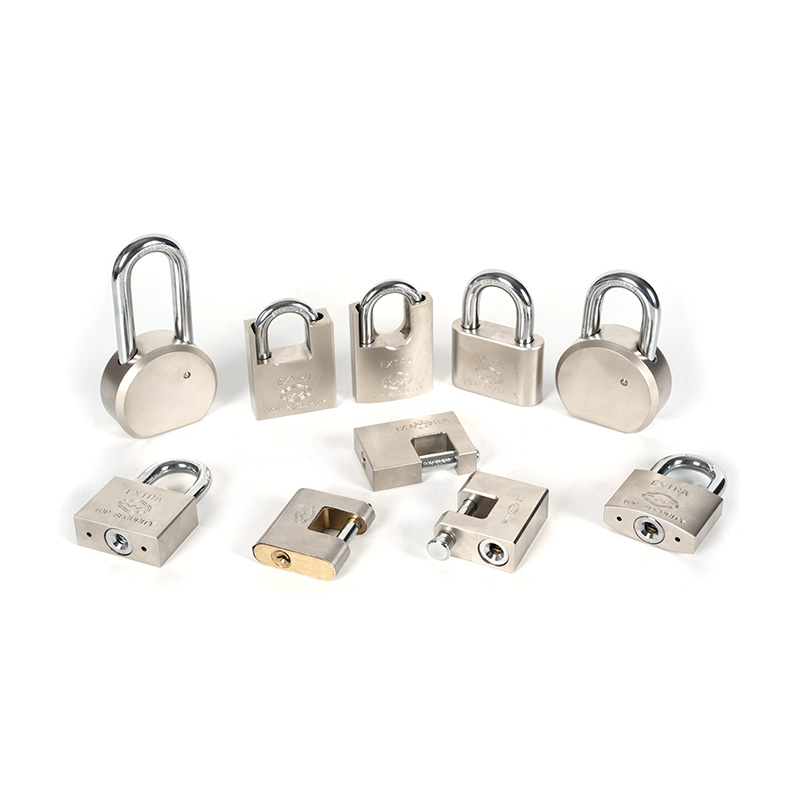
A Security Standard Brass Padlock reflects this changing demand by combining classic mechanical reliability with upgraded security features. Modern brass padlocks are designed with stronger bodies, improved cylinders, and enhanced protective structures to support different security applications. Many brass padlock designs use solid brass bodies, hardened shackles, and precision pin cylinder systems to improve durability and daily performance.
1. Stronger Materials Are Redefining Brass Padlock Protection
Material selection directly influences the service life and protective capability of a padlock. Brass remains a popular choice because it provides natural resistance against corrosion while maintaining a stable mechanical structure. Compared with standard metal locks that may require additional surface protection, brass bodies can perform well in environments with moisture exposure.
Modern Security Standard Brass Padlock products often combine multiple materials to improve overall performance. The lock body may use solid brass, while the shackle can be manufactured from hardened steel or corrosion-resistant alloys. This combination creates a balance between resistance to external damage and long-term operation.
- Solid brass body: Provides structural stability and helps reduce corrosion problems during outdoor use.
- Hardened steel shackle: Improves resistance against cutting and physical impact.
- Protective surface treatment: Helps maintain appearance and functional performance after extended use.
2. Advanced Cylinder Designs Improve Key Security
The internal cylinder is a key element that determines how a keyed padlock performs. Modern brass padlocks commonly use pin tumbler cylinder technology, which relies on precisely positioned pins to control access. More refined cylinder structures can provide smoother operation and increase resistance against unauthorized opening methods.
Some Security Standard Brass Padlock designs include multi-pin systems, precision machining processes, and improved key profiles. These upgrades create more key combinations and support better access management for residential and commercial users.
- Pin tumbler mechanism: Supports accurate locking and unlocking performance.
- Multiple key combinations: Helps reduce accidental key duplication risks.
- Smooth cylinder rotation: Provides a more comfortable user experience during frequent operation.
3. Weather-Resistant Features Expand Outdoor Applications
Outdoor security equipment faces challenges from rain, humidity, dust, and temperature changes. A padlock used outside must protect not only the external structure but also the internal mechanism.
Many brass padlocks now include features such as covered keyholes, drainage channels, and corrosion-resistant internal components. These designs help prevent moisture and debris from affecting lock operation. Weather-resistant brass padlocks are commonly applied to gates, sheds, tool cabinets, storage boxes, and outdoor equipment.
Common Weather Protection Features
- Dust covers protect the key entry area from external particles.
- Drainage structures help reduce water accumulation inside the lock.
- Anti-corrosion components support stable operation in humid environments.
- Sealed designs improve reliability during outdoor exposure.
4. Security Standards Are Moving Toward Application-Based Designs
Different users require different levels of protection. A small storage cabinet, outdoor gate, and industrial facility may not need identical locking solutions. This has encouraged manufacturers to develop brass padlocks with various body sizes, shackle dimensions, and security structures.
A typical Security Standard Brass Padlock may include specifications such as a 30mm–70mm brass body width, a 5mm–12mm shackle diameter, and different cylinder configurations based on the application. Larger lock bodies usually provide additional physical strength, while compact models offer easier installation in limited spaces.
- Residential applications: Suitable for lockers, cabinets, gates, and personal storage.
- Commercial environments: Used for warehouses, equipment rooms, and facility access points.
- Outdoor locations: Designed for sheds, fences, containers, and tools.
5. Mechanical Reliability Still Matters in Modern Security
Smart locks and electronic security systems continue developing, but mechanical padlocks maintain strong demand because of their simple operation and independence from power sources. Users can rely on a keyed brass padlock in locations where electronic devices may not be practical.
A mechanical lock does not require batteries, software updates, or network connections. This makes it suitable for outdoor areas, emergency storage, and applications where consistent availability is required.
The combination of traditional brass construction and updated security technology allows modern padlocks to meet changing user expectations. Improvements in cylinder design, material selection, and protective structures continue to enhance their practical value.
6. Future Development Trends of Brass Security Locks
The future of brass padlocks will focus on combining durability with smarter management features. Manufacturers are exploring improvements such as customized key systems, stronger alloy components, and more protective structural designs.
Another development direction is flexible security management. Businesses with multiple access points may require systems that allow different key arrangements, including keyed alike or keyed different options. These solutions help simplify daily management while maintaining controlled access.
Final Thoughts on Modern Brass Padlock Innovation
Brass padlocks have evolved beyond simple locking devices. Their value now comes from the combination of durable materials, precision mechanisms, and application-focused designs. A Security Standard Brass Padlock represents this evolution by offering dependable protection for various environments.
As security expectations continue changing, brass padlocks will remain an important choice for users who need practical protection, reliable operation, and long-lasting performance without complicated systems.
Beyond Basic Locks: New Trends in Security Brass Padlocks
High Security Padlock Factory
Copyright © Zhejiang Pujang Wushi Locks Co., Ltd. All Rights Reserved.
