 English
 Español
 中文简体
中文简体 русский
Factory Audit or Sample Review: Which Matters More for Lock Sourcing
Buying locks for an overseas market involves more than comparing quotations and product photographs. A supplier may provide an attractive sample, yet buyers still need to understand whether the same specifications can be maintained during regular production. A factory audit offers a different perspective by examining manufacturing facilities, production arrangements, quality management, and order coordination.
At Wushi Locks, we understand that international buyers need reliable information before committing to a sourcing project. Established in 1992, Zhejiang Pujiang Wushi Locks Co., Ltd. integrates product design, research and development, manufacturing, and trade. Our product range includes copper padlocks, iron padlocks, steel padlocks, aluminum padlocks, zinc padlocks, and door locks. We believe that sample evaluation and factory assessment serve different purposes, and combining them helps buyers make informed purchasing decisions.
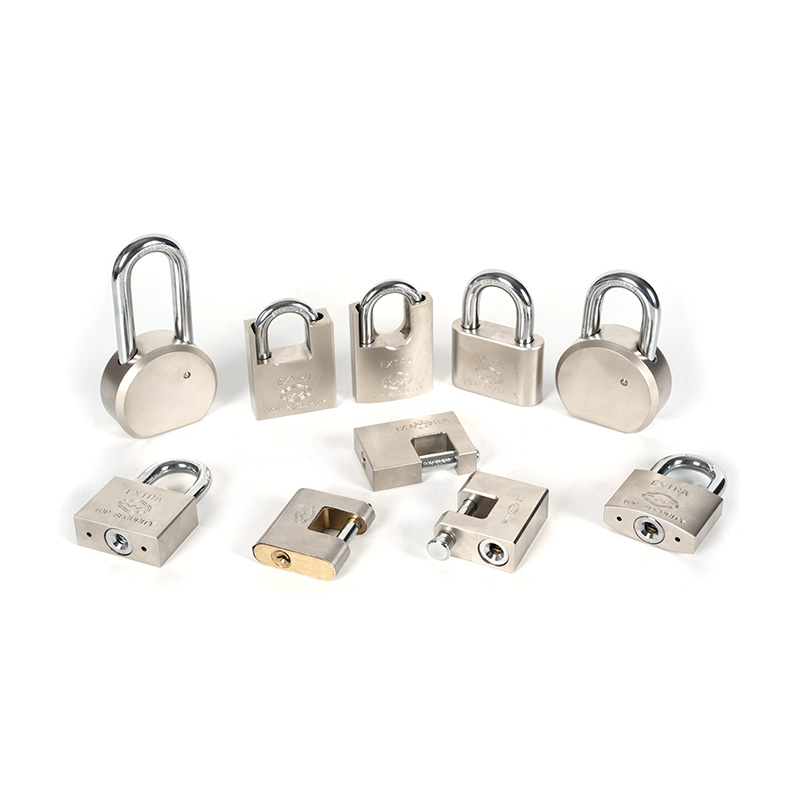
1. Factory Audits and Sample Reviews Answer Different Questions
A sample review focuses on the physical product. A factory audit examines the supplier's ability to organize production and maintain agreed requirements. Neither method provides a complete picture on its own.
- Sample review: Checks the lock's dimensions, appearance, finish, key operation, assembly, and compatibility with the intended application.
- Factory audit: Examines production equipment, material handling, inspection procedures, manufacturing records, and the management of customer specifications.
- Combined assessment: Connects the approved product requirements with the factory's ability to reproduce them across a production batch.
For a small trial order, a detailed sample review may be a practical starting point. A distributor planning recurring purchases or a private-label program may also need a more extensive factory assessment. The appropriate approach depends on order value, product complexity, delivery arrangements, and the consequences of inconsistent quality.
2. What Should Buyers Examine During a Lock Sample Review?
A lock sample provides a physical reference for product approval. At Wushi Locks, we recommend that buyers evaluate the product against a written specification rather than relying on appearance alone.
Dimensions and Installation Compatibility
Door locks must match the intended door structure and installation method. Buyers should confirm the lock body's length, width, and thickness, along with mounting-hole positions, backset requirements where applicable, and the dimensions of the latch or bolt. Surface-mounted locks also require sufficient space on the door and a suitable position for the strike plate.
- Record the required lock-body dimensions in millimeters.
- Confirm mounting-hole spacing and fixing hardware.
- Check the bolt's travel and alignment with the strike plate.
- Test the lock on a representative door or installation fixture.
For example, a buyer may specify a mounting-hole spacing of 60 mm. This figure should be treated as a project requirement rather than a universal door-lock specification. The approved drawing and actual application determine the correct dimensions.
Locking Mechanism and Operating Performance
Mechanical performance deserves close attention because small assembly differences can affect the user experience. Buyers should operate the key several times, check whether the bolt moves smoothly, and inspect the alignment of the internal mechanism. Unusual resistance, loose components, incomplete bolt movement, or inconsistent key operation should be documented before approval.
For products intended for frequent use, buyers can establish a cycle-testing requirement appropriate to the application. For example, a project specification might call for 10,000 operating cycles under defined test conditions. This is an illustrative requirement, not a claim that every Wushi lock model has passed that particular test. Any performance threshold should be agreed upon and verified through the relevant test procedure.
Materials and Surface Finish
Material requirements should reflect the intended use and purchasing specification. Buyers may need to distinguish between the lock body, internal components, bolts, cylinders, and other hardware rather than treating the entire assembly as a single material category.
- Material identification: Confirm the specified material for each relevant component.
- Surface finish: Compare color, gloss, coating coverage, and visible defects against the approved sample.
- Assembly quality: Look for gaps, sharp edges, loose fittings, and uneven component alignment.
- Packaging: Check whether individual protection, labels, and carton arrangements meet distribution requirements.
Buyers sourcing products from door lock manufacturers in china should retain sample photographs, dimensional records, and written approval notes. These records provide a reference for comparing subsequent production batches.
3. Which Factory Audit Items Matter for Lock Procurement?
A factory audit helps buyers understand how product requirements are translated into manufacturing and inspection activities. The assessment should focus on evidence rather than general statements about quality.
Production Capability and Equipment
Review the production processes used for the specific lock category under consideration. Depending on the product, these may include metal forming, machining, drilling, component finishing, assembly, and packaging. Buyers should establish which operations are performed in-house and which depend on external partners.
At Wushi Locks, our manufacturing and product development operations support a range of lock categories. Buyers can discuss their intended models with our team to clarify relevant production arrangements and customization requirements.
Quality Control Procedures
A useful audit examines how incoming materials, work-in-progress components, and finished locks are checked. Buyers should ask how inspection criteria are documented, how nonconforming products are handled, and how corrective actions are recorded.
- Incoming inspection records for specified materials and purchased components.
- In-process checks for dimensions, machining, assembly, and component fit.
- Finished-product inspection covering appearance, operation, and agreed specifications.
- Records of rejected products, corrective actions, and inspection results.
Test methods should correspond to the product and its intended application. A corrosion test, for example, needs an agreed procedure, exposure conditions, and acceptance criteria. Buyers should not assume that a general statement about quality control proves compliance with every requested standard.
Specification Management and Traceability
Product consistency depends partly on whether the factory uses the correct version of the specification. A change to a lock body, key configuration, surface treatment, logo, or packaging can affect the final order.
During an audit, buyers should verify how approved drawings and sample references are stored, how revisions are communicated, and how production teams identify the applicable requirements. Batch identification and inspection records can also help both parties investigate discrepancies after delivery.
4. A Practical Comparison for Different Purchasing Scenarios
The relative value of an audit and a sample review changes with the sourcing situation. Buyers can use the following comparison to plan an appropriate evaluation process.
| Purchasing scenario | Sample review priority | Factory audit priority |
| Initial trial order | High: verify product fit and operation | Focused review of essential production and quality controls |
| Recurring distributor orders | High: establish a documented product reference | High: assess consistency and order coordination |
| Private-label lock program | High: approve specifications, logo, and packaging | High: review revision control and customization arrangements |
| Product with specialized requirements | High: verify specified performance through testing | High: examine relevant equipment, procedures, and test records |
| Existing supplier with a design change | High: review the revised sample | Targeted audit of any affected process or control |
This comparison is a planning guide rather than a fixed rule. A low-complexity product may require a limited audit, while a technically demanding lock system may justify additional testing and a more detailed review of manufacturing controls.
5. How Can Buyers Combine Both Methods Without Duplicating Work?
A coordinated assessment can reduce uncertainty while keeping the sourcing process organized. We recommend linking each evaluation step to a clear decision and a documented result.
- Step 1: Define the purchase requirements. Document product models, materials, dimensions, finish, key configuration, packaging, applicable standards, and inspection criteria.
- Step 2: Review the sample. Record measurements, operating observations, appearance requirements, and any changes needed before approval.
- Step 3: Assess the relevant factory processes. Focus on the equipment, production arrangements, and inspection controls associated with the selected models.
- Step 4: Resolve outstanding questions. Ask the supplier to clarify specification gaps, testing arrangements, documentation, and responsibilities for corrective action.
- Step 5: Establish production acceptance criteria. Define sampling methods, inspection records, packaging checks, and the approval process before shipment.
Buyers should also agree on how changes will be handled after sample approval. Written confirmation helps prevent a revised component, finish, or packaging detail from being introduced without authorization.
6. Questions to Ask Before Confirming a Lock Order
Before moving from evaluation to purchasing, buyers can use a short checklist to clarify expectations with their supplier.
- Can the supplier provide drawings, product specifications, and a clearly identified reference sample?
- Which manufacturing operations are completed internally, and which are subcontracted?
- What inspection records or material documents are available for the requested model?
- How are product revisions, nonconforming items, and corrective actions managed?
- Can the supplier confirm the requested packaging, labeling, and order-specific requirements in writing?
- What inspection and acceptance arrangements will apply to the finished order?
Clear answers make it easier to compare suppliers on documented capability and agreed requirements instead of relying solely on quotations or promotional claims.
Make the Decision Based on Evidence
A sample review shows buyers what a specific lock looks and feels like, while a factory audit provides insight into the processes behind that product. Treating either method as a complete substitute for the other can leave important questions unanswered.
At Wushi Locks, we support purchasing discussions with a broad range of lock products, manufacturing experience dating back to 1992, and customization options for different customer requirements. Our team welcomes inquiries about product specifications, sample evaluation, and order-related quality expectations.
Contact Wushi Locks to discuss your target market, product category, and sourcing requirements. By establishing clear specifications and appropriate verification steps before production, buyers can build a more transparent purchasing process and develop a stronger foundation for long-term cooperation.
Factory Audit or Sample Review: Which Matters More for Lock Sourcing
High Security Padlock Factory
Copyright © Zhejiang Pujang Wushi Locks Co., Ltd. All Rights Reserved.
