 English
 Español
 中文简体
中文简体 русский
Hidden Weak Points in Iron Square Vane Padlocks That Users Often Overlook
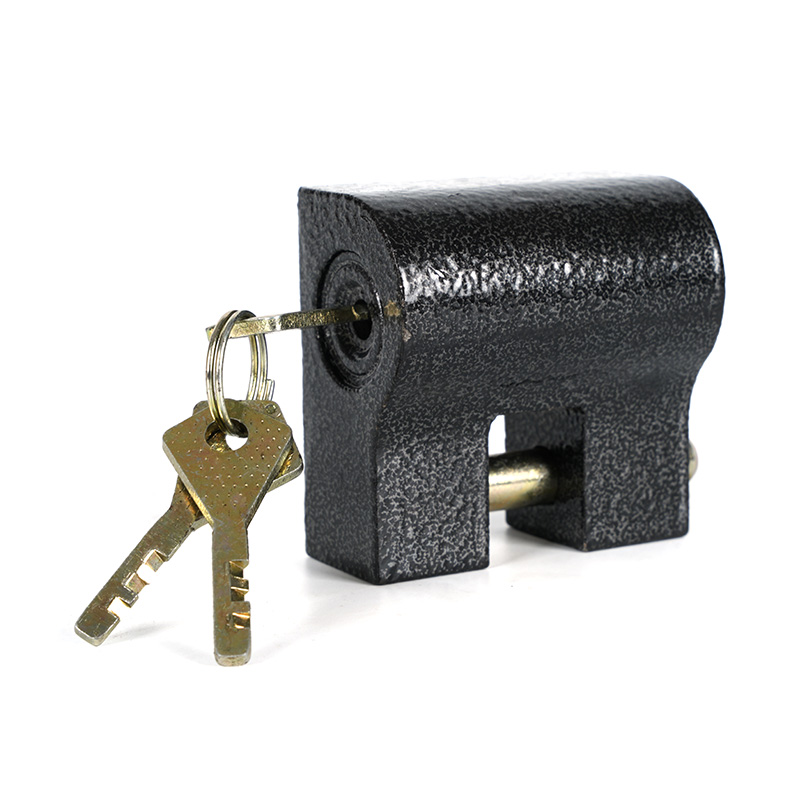
Heavy-duty padlocks are often judged by their appearance. A thick metal body, protected shackle design, and solid construction can create a strong impression of security. However, the actual performance of a lock depends on multiple components working together, not only the external structure. The Iron Square Type Vane Padlock is widely used for gates, warehouses, containers, equipment cabinets, and outdoor security applications because of its rugged design, yet several hidden factors may affect its long-term protection capability.
Understanding these overlooked details helps users evaluate padlock performance more accurately instead of relying only on size or weight. Different security elements, including the locking mechanism, shackle protection, material treatment, and installation environment, all influence how a padlock performs in practical applications.
1. The protected shackle does not eliminate every attack risk
One noticeable feature of square vane padlocks is the enclosed or partially protected shackle structure. This design reduces the exposed cutting area and makes direct attacks more difficult compared with traditional open-shackle models. Some protected padlock designs use hidden shackle structures specifically to provide additional resistance against cutting tools.
However, shackle protection is only one part of the security system. Users sometimes assume that a covered shackle means complete protection, but other components may still influence overall performance.
- Lock cylinder quality determines resistance against unauthorized key manipulation
- Internal locking structure affects resistance against pulling and twisting forces
- Body material thickness influences impact resistance
A protected shackle design improves one security area but cannot compensate for weaknesses inside the locking mechanism.
2. Internal vane mechanisms require precise manufacturing
The internal vane structure is an important element that separates this type of padlock from common pin-based designs. The vane system relies on accurately positioned internal parts that interact with the matching key profile.
The manufacturing precision of these components directly affects daily operation and security stability. Small differences in machining accuracy may influence key rotation smoothness, locking reliability, and resistance against manipulation.
- Precise vane alignment supports consistent locking performance
- Strong internal springs help maintain proper component movement
- Accurate key matching reduces unnecessary internal wear
Commercial padlock specifications often emphasize cylinder structure and locking components because these parts directly influence security performance.
3. Corrosion exposure can weaken hidden components
Outdoor users frequently focus on the visible condition of a padlock body while ignoring internal corrosion. Iron-based padlocks provide strong structural support, but moisture, dust, and temperature changes may affect internal parts over time.
Common environmental challenges include:
- Rainwater entering the keyway and affecting internal movement
- Dust accumulation causing friction between moving parts
- Temperature changes creating expansion and contraction effects
Some industrial padlocks improve weather resistance through protective coatings, sealed designs, and corrosion-resistant components. Corrosion testing is also considered an important performance factor in professional padlock evaluation standards.
4. Lock body strength is not the only security measurement
A large square-shaped body often gives users confidence, but physical size alone does not determine security level. A padlock must balance body strength, locking force, and internal durability.
The Iron Square Type Vane Padlock commonly features a reinforced iron body designed for applications requiring stronger physical protection. Certain models use protected shackles and heavy structures to reduce exposure to cutting or impact attempts.
However, users should also consider:
- Shackle connection strength between the internal locking balls and shackle
- Keyway protection against unauthorized access attempts
- Mounting condition of the hasp, chain, or gate hardware
5. Installation mistakes can reduce security performance
Even a strong padlock can become less effective through incorrect installation. A common mistake is pairing a heavy padlock with weak supporting hardware.
Examples include:
- Using thin chains that are easier to damage than the lock itself
- Installing the lock on loose gate fittings
- Leaving unnecessary gaps around the shackle area
The connection point between the lock and the protected object should receive the same attention as the padlock itself. Security performance depends on the complete locking system rather than a single component.
6. Key management remains an overlooked security factor
Many users focus on mechanical strength but underestimate key control. A strong padlock can still face security issues through lost keys, duplicated keys, or poor key management practices.
Commercial environments often use controlled key systems to reduce unauthorized duplication risks. Maintaining proper key tracking is especially important for warehouses, storage facilities, and shared equipment areas.
7. Choosing the correct application improves protection results
Different security environments require different padlock designs. A square vane iron padlock can provide reliable protection for many industrial and commercial situations, but users should match the product type with the expected threat level.
Suitable applications may include:
- Outdoor gates and fences
- Storage rooms and equipment areas
- Industrial cabinets and containers
- General commercial access control points
Higher-risk locations may require additional security features such as advanced cylinders, monitoring systems, or multiple locking layers.
Final thoughts on hidden padlock weaknesses
The strength of an Iron Square Type Vane Padlock comes from its reinforced structure, protected shackle design, and durable mechanical construction. However, users should look beyond the external appearance and evaluate internal components, environmental conditions, installation quality, and key management practices.
A reliable padlock is not defined only by how strong it looks. Long-term security comes from the combination of engineering details, proper usage, and matching the lock design with the actual protection requirements.
Hidden Weak Points in Iron Square Vane Padlocks That Users Often Overlook
High Security Padlock Factory
Copyright © Zhejiang Pujang Wushi Locks Co., Ltd. All Rights Reserved.
