 English
 Español
 中文简体
中文简体 русский
Are Flat Key Brass Padlocks Still Secure Against Modern Picking Techniques
Brass-bodied locks with flat key systems remain widely used across gates, lockers, storage units, and light industrial security setups. Concerns about manipulation methods have increased as picking tools and knowledge become more accessible online. This discussion focuses on how a Standard Flat Key Brass Padlock performs against contemporary picking approaches and where its real-world protection stands today.
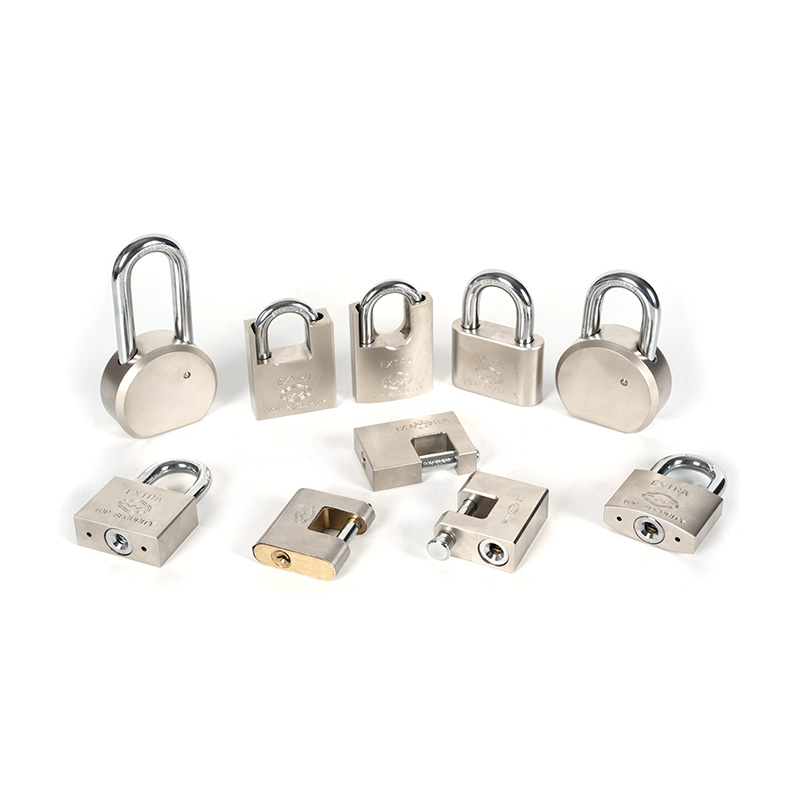
Structural behavior of brass padlock systems
Brass padlocks typically rely on a pin-tumbler cylinder installed inside a corrosion-resistant body. The brass shell provides stability against weather exposure, while the locking mechanism handles security tasks. Core elements usually include:
- Solid brass housing designed to resist oxidation in outdoor environments
- Hardened steel or boron alloy shackle for cutting resistance
- Pin tumbler or anti-pick cylinder with multiple security pins such as spool or mushroom pins
- Paracentric keyway geometry that restricts tool movement inside the cylinder
Industry examples show upgraded brass padlocks using anti-manipulation cylinders with mushroom pins and precision keyways, which significantly increase resistance to standard picking attempts compared to older designs.
Picking resistance under modern attack methods
Lock manipulation techniques have evolved, especially with the availability of tension tools and training content. Brass padlocks face several typical approaches:
- Single pin picking pressure control requiring feedback from internal binding pins
- Raking attempts that aim to set multiple pins simultaneously
- Bypass strategies targeting internal latch movement rather than pins
- Force-based manipulation relying on tolerances and internal play
Modern brass padlocks with precision cylinders often integrate spool pins and paracentric keyways to disrupt smooth rotation of the plug, making feedback less predictable and increasing picking difficulty.
Design limits affecting security performance
Despite improvements, brass padlocks still share structural constraints that influence their vulnerability profile:
- Cylinder size constraints reduce space for complex anti-pick pin stacks
- Manufacturing tolerances may create slight internal looseness in lower-tier models
- Brass body softness compared with hardened steel housings in high-security locks
- Cost-driven pin configurations often limit advanced security pin counts in entry-level products
Even well-designed brass padlocks rely heavily on internal cylinder engineering rather than external body strength. This means security depends more on precision machining and pin layout than the material alone.
Role of keyway geometry in anti-picking defense
The keyway profile plays a critical defensive role. Paracentric designs create tight warding inside the plug, forcing tools into unnatural angles. This limits the ability of picks to reach pins cleanly and reduces manipulation efficiency.
Some commercial-grade brass padlocks combine this structure with hardened inserts and anti-drill plates, which improve resistance against both picking and drilling attempts.
Behavior of Standard Flat Key Brass Padlock in real usage
A Standard Flat Key Brass Padlock typically sits in the mid-security category, designed for general gates, lockers, storage boxes, and light outdoor applications. Its performance profile often includes:
- Moderate resistance to casual picking attempts using basic tools
- Improved protection against inexperienced manipulation due to spool or mushroom pins
- Higher vulnerability to sustained or skilled attack techniques compared with high-security disc-detainer systems
Brass padlocks in this category are not designed as unbreakable systems. Their purpose centers on deterrence and delay rather than absolute resistance.
Material vs mechanism: where real security comes from
Security performance is often misunderstood as a material issue. Brass contributes mainly to corrosion resistance and environmental durability. Actual resistance to picking depends on internal engineering.
Locks with advanced pin stacks, anti-bump features, and precise machining outperform basic designs regardless of body material. This is why some brass padlocks with enhanced cylinders perform better than cheaper steel-bodied alternatives.
Practical interpretation of modern risk
Current security environments require understanding threat levels rather than assuming universal resistance. Brass padlocks remain effective in scenarios where:
- Access control is needed more than high-security containment
- Delay time matters more than absolute prevention
- Environmental exposure demands corrosion resistance
Higher-risk environments usually require upgraded cylinder systems or alternative locking architectures beyond traditional pin-tumbler brass designs.
Modern picking awareness has exposed limitations in traditional padlock systems, yet brass padlocks still hold relevance due to balance between durability, cost, and usability. Security strength depends less on the brass shell and more on cylinder engineering, keyway complexity, and pin configuration. A Standard Flat Key Brass Padlock remains a practical solution for everyday protection needs, though it should be matched carefully with the appropriate risk level rather than treated as a high-security barrier.
Are Flat Key Brass Padlocks Still Secure Against Modern Picking Techniques
High Security Padlock Factory
Copyright © Zhejiang Pujang Wushi Locks Co., Ltd. All Rights Reserved.
