 English
 Español
 中文简体
中文简体 русский
How Does a High Security Padlock Improve Asset Protection?
Warehouses, logistics centers, construction sites, and utility facilities face growing challenges in protecting equipment and inventory. Standard locks are often vulnerable to bolt cutters, picking tools, and environmental corrosion. As a result, many companies are upgrading to a High Security Padlock that offers stronger structural design and more advanced locking mechanisms.
In industrial settings, the lock is not just a small accessory. It is part of the overall asset protection strategy. Choosing the right product reduces operational disruptions and protects valuable goods. This is where working with an experienced High Security Padlock Manufacturer becomes an important step in procurement planning.
Material selection directly affects lifespan and application suitability.
Iron Padlock
Iron padlocks are widely used in toolboxes, storage units, and factory gates. With powder coating or zinc plating, rust resistance improves significantly. They are cost-effective and suitable for controlled indoor or semi-outdoor environments. However, in high humidity or marine areas, surface oxidation may appear over time.
Brass Padlock
Brass bodies offer strong corrosion resistance and stable performance in changing weather conditions. Brass does not rust easily, making it ideal for ports, outdoor warehouses, and agricultural facilities. In addition, brass allows precise machining, which results in smoother key insertion and rotation.
A professional High Security Padlock Manufacturer will clearly explain these material differences and recommend the appropriate option based on usage scenarios rather than pushing a single type.
Core Features That Improve Tamper Resistance
Security performance depends on structural engineering. Several technical details make a significant difference:
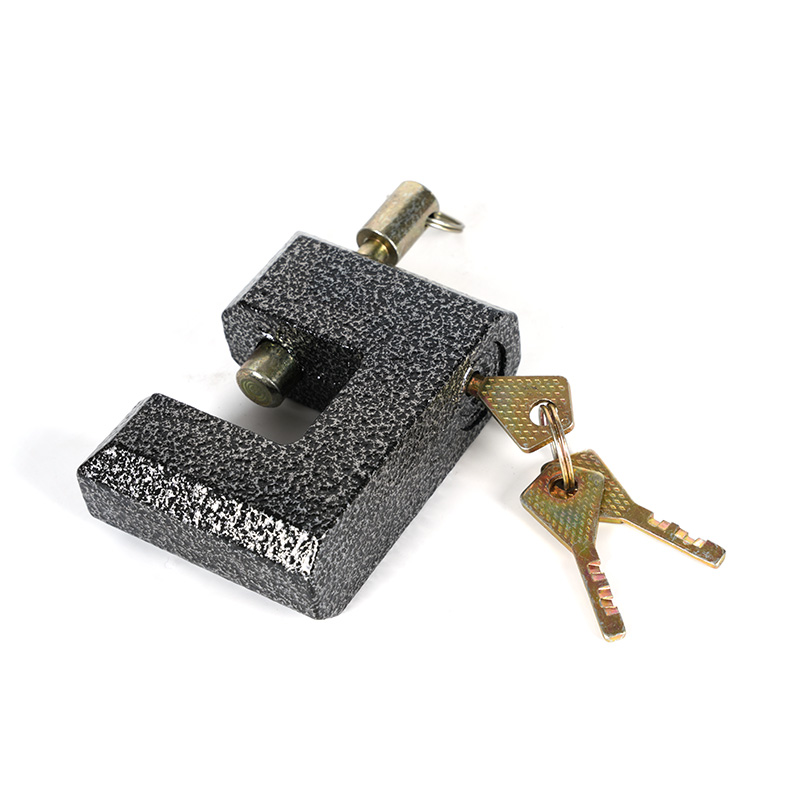
1. Double-Locking Mechanism
This structure locks the shackle at two points, making forced twisting or prying more difficult.
2. Hardened Shackle
Heat-treated steel increases resistance against cutting tools. Some designs also include shrouded shackles to reduce exposure.
3. Precision Cylinder
A brass cylinder with tight tolerances reduces internal wear and improves long-term stability. Anti-pick pins further increase resistance against manipulation tools.
4. Anti-Drill Plate
Internal steel plates help resist drilling attempts targeting the cylinder area.
When evaluating options, request structural diagrams or testing documentation from the High Security Padlock Manufacturer. Technical transparency reflects manufacturing capability.
Cost Considerations Beyond Unit Price
Procurement decisions often focus on unit cost, but long-term value depends on durability and maintenance frequency. Locks that corrode quickly or fail under stress require replacement, which increases operational downtime and administrative costs.
A High Security Padlock with stable performance reduces replacement cycles. Fewer failures mean fewer interruptions in daily operations. For facilities managing hundreds or thousands of locking points, this difference becomes significant over time.
Balancing upfront investment with service life is a practical strategy. Material quality, structural strength, and manufacturing precision all influence total lifecycle cost.
Building Long-Term Reliability into Every Locking Point
Industrial security depends on consistent performance. A High Security Padlock designed with hardened components, corrosion-resistant materials, and precision assembly supports stable daily operations.
Manufacturing quality, structural engineering, and material selection determine how a lock performs after months or years of exposure. Partnering with an experienced High Security Padlock Manufacturer allows businesses to deploy locking systems that align with operational requirements and environmental challenges.
How Does a High Security Padlock Improve Asset Protection?
High Security Padlock Factory
Copyright © Zhejiang Pujang Wushi Locks Co., Ltd. All Rights Reserved.
