 English
 Español
 中文简体
中文简体 русский
How Durable Is a Factory High-Quality Padlock Outdoors?
Industrial facilities operate around schedules, inventory turnover, and equipment management. Storage rooms, gates, containers, and tool cabinets require dependable locking solutions that can handle daily use without frequent failure. A Factory High Quality Padlock is developed to meet these operational demands with a stable structure and durable materials.
Selecting the right Padlock is not simply about appearance or price. It involves understanding working environments, usage frequency, and material performance. When production continuity matters, durability and consistency become part of operational planning.
Why Product Quality Matters in Industrial Applications
In industrial settings, locks are opened and closed repeatedly throughout the day. Frequent mechanical movement increases wear inside the cylinder and along the shackle joint. Inferior products may experience jamming, deformation, or corrosion within a short period.
A Factory High Quality Padlock is manufactured with tighter machining tolerances and controlled assembly procedures. Hardened shackles resist cutting attempts, while precision cylinders maintain smoother key rotation after extended use. These details reduce maintenance interruptions and support a steady workflow.
For facilities that manage hundreds of locking points, product stability directly affects management efficiency.
Corrosion Resistance in Outdoor Conditions
Outdoor storage areas expose locking hardware to rain, dust, temperature variation, and chemical pollutants. Over time, untreated surfaces can oxidize and weaken.
Protective coatings such as chrome plating, powder coating, or galvanized layers extend service life. Brass bodies provide additional corrosion resistance without relying solely on surface finishing.
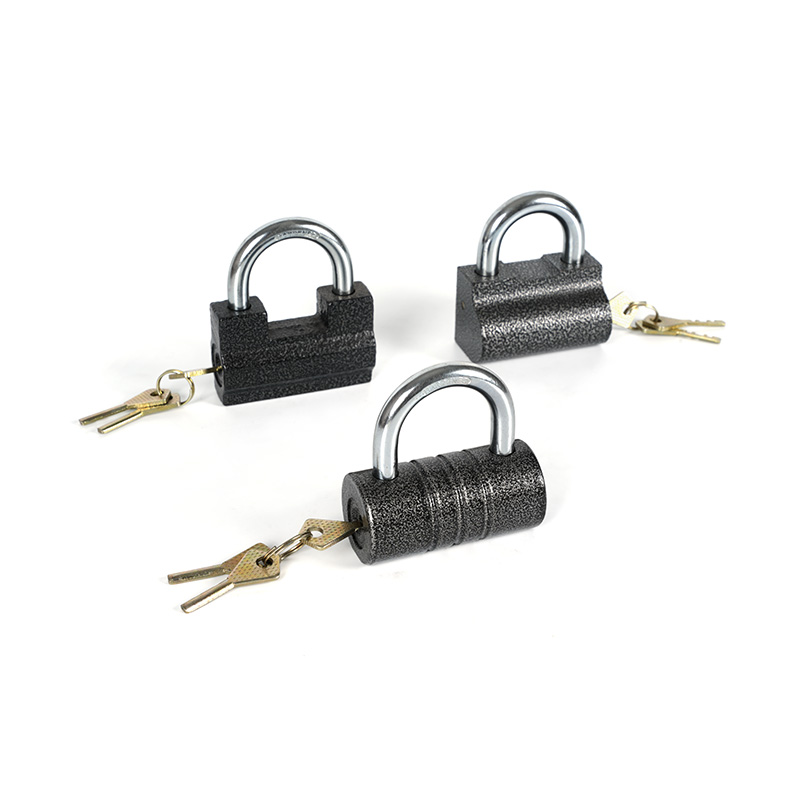
Testing methods commonly used in production include salt spray testing and humidity exposure testing. A manufacturer with structured quality control will conduct these procedures regularly and maintain inspection records for batch consistency.
Cost Efficiency Over the Product Lifecycle
While unit price plays a role in procurement decisions, long-term cost depends on durability and replacement frequency. Locks that corrode quickly or malfunction under regular use require replacement and administrative effort.
Using a Factory High Quality Padlock reduces unexpected downtime. Stable operation means fewer emergency replacements and smoother facility management. Over time, durability contributes to overall cost control without frequent product change.
Lifecycle thinking is particularly relevant in logistics hubs, construction projects, and infrastructure facilities where locking systems operate daily.
Industry Applications of Factory High Quality Padlock
Industrial locking solutions are widely used in:
- Warehouse gates and roller doors
- Shipping containers
- Tool cabinets and equipment storage
- Power and utility enclosures
- Construction site storage
Each environment requires a balance between mechanical strength and corrosion resistance. Matching product structure to operational conditions improves long-term reliability.
How to Evaluate a Manufacturing Partner
Beyond the product itself, factory capability influences supply stability. Key evaluation factors include:
- Manufacturing equipment and machining precision
- Quality inspection procedures
- Technical support responsiveness
- Production capacity and delivery timelines
A professional team will provide clear technical specifications and testing documentation upon request. Transparent communication supports long-term cooperation and stable supply planning.
Building Stable Industrial Locking Systems
Industrial operations depend on reliability across every component. A Factory High Quality Padlock combines material strength, structural engineering, and controlled production processes to meet daily operational demands.
From indoor storage rooms to outdoor logistics yards, selecting the right Padlock contributes to equipment protection and workflow continuity. By focusing on material integrity, machining precision, and production consistency, industrial facilities can deploy locking systems that perform reliably under regular use.
Stable design, tested materials, and disciplined manufacturing form the foundation of dependable industrial locking solutions.
How Durable Is a Factory High-Quality Padlock Outdoors?
High Security Padlock Factory
Copyright © Zhejiang Pujang Wushi Locks Co., Ltd. All Rights Reserved.
