 English
 Español
 中文简体
 русский
Managing Business Access: Which Locking Policies Should Buyers Consider
Commercial buildings require clear access policies to protect employees, visitors, equipment, inventory, and confidential information. Office buildings, retail stores, warehouses, and industrial facilities often contain areas with different security requirements. A main entrance may need to accommodate regular employee traffic, while storage rooms, management offices, and equipment areas require restricted entry.
At Wushi Locks, we understand that purchasing business security door locks is closely connected to daily facility management. Buyers need to consider not only the physical locking mechanism but also key distribution, employee permissions, visitor access, and procedures for handling lost keys. A well-defined policy helps businesses maintain consistent access arrangements and identify suitable door lock specifications.
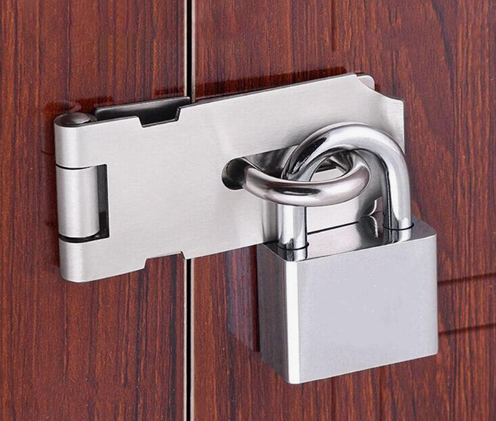
1. Establish Access Levels for Different Business Areas
Not every employee needs access to every room. Dividing a commercial property into security zones helps managers determine which locking arrangements are appropriate for individual doors.
- Public areas: Reception areas, customer entrances, and meeting spaces may require convenient access during business hours.
- Employee areas: Offices, staff rooms, and internal corridors may use controlled key access.
- Restricted areas: Financial records rooms, IT equipment rooms, and inventory storage areas may require additional access limitations.
- Management areas: Administrative offices and document storage spaces may need dedicated key permissions.
Creating an access map helps purchasing teams identify the number of doors, required lock types, and different key configurations. This information also provides a useful basis for comparing supplier quotations.
2. Develop a Clear Key Distribution Policy
Traditional mechanical door locks remain practical for many commercial properties. However, uncontrolled key distribution can create security management problems, particularly in businesses with large workforces or frequent staff changes.
A structured key management policy should address several responsibilities:
- Assign keys according to job responsibilities and authorized access areas.
- Maintain records showing who receives each key and the corresponding door or room.
- Store spare keys in a secure location with access limited to designated personnel.
- Require employees to report lost or stolen keys promptly.
- Collect assigned keys during employee departure or role changes.
Businesses using multiple mechanical locks can also discuss keyed-alike or master-key arrangements with their hardware suppliers. These configurations can simplify daily operations, although access to master keys should remain restricted. Lost keys may require lock replacement or cylinder changes depending on the security implications.
3. Define Procedures for Visitors and Temporary Workers
Commercial facilities regularly receive delivery personnel, maintenance contractors, suppliers, and business visitors. Allowing unrestricted movement throughout a building may expose sensitive areas to unnecessary access risks.
Buyers and facility managers should establish procedures covering:
- Visitor registration: Record visitor names, visit purposes, and arrival or departure times.
- Temporary access: Limit access to designated rooms and approved working hours.
- Supervised entry: Arrange staff escorts for contractors entering restricted areas.
- Key return: Collect temporary keys immediately after authorized work is completed.
These procedures are particularly relevant to warehouses, commercial offices, and industrial properties where different departments operate within the same building.
4. Plan for Employee Turnover and Lost Keys
Staff changes create additional responsibilities for access management. Former employees may retain keys, while transferred employees may no longer require access to previously assigned areas.
A practical policy should include the following actions:
- Collect company keys and access credentials during employee departure.
- Review permissions after department transfers or changes in job responsibilities.
- Assess the security impact of missing keys and determine whether rekeying or lock replacement is necessary.
- Update key inventory records after every access change.
- Change combination codes after suspected disclosure or unauthorized sharing.
Businesses with frequent employee turnover may benefit from electronic access solutions that allow administrators to deactivate individual credentials. Mechanical locking systems can still serve other doors where access requirements are simpler.
5. Match Locking Hardware with Daily Operating Requirements
Access policies should guide hardware procurement rather than purchasing teams choosing products based only on appearance or unit price. Different doors may require different locking structures according to traffic frequency, door construction, and security expectations.
During product evaluation, buyers should review:
- Lock body construction: Confirm material, dimensions, and compatibility with the door.
- Locking mechanism: Review the cylinder structure, key operation, and locking method.
- Installation requirements: Check door thickness, mounting dimensions, and available hardware space.
- Operating frequency: Consider expected daily use and mechanical durability requirements.
- Emergency access: Ensure the proposed arrangement supports applicable fire safety, accessibility, and emergency exit requirements.
At Wushi Locks, we offer different door lock products for commercial and residential applications. Buyers can communicate their installation conditions and functional requirements to help establish suitable product specifications.
6. Create a Long-Term Lock Maintenance and Review Schedule
Access management should remain an ongoing facility responsibility. Even a properly installed locking system requires periodic inspection to identify mechanical wear, loose fittings, damaged keys, and operating problems.
Businesses can establish a regular review covering:
- Inspect lock bodies, handles, cylinders, and mounting hardware.
- Check key operation and locking performance.
- Review employee key assignments and spare key records.
- Replace damaged or worn components according to inspection results.
- Reassess access permissions after organizational or building layout changes.
Maintenance records help facility managers track recurring problems and prepare future hardware replacement plans.
Discuss Commercial Door Lock Requirements with Wushi Locks
Effective business access management combines suitable locking hardware with clear operating policies. Employee permissions, visitor procedures, key distribution, and maintenance responsibilities all influence the security arrangements of a commercial property.
At Wushi Locks, we support international distributors, wholesalers, and project buyers with different door lock products and sourcing requirements. Our product range includes mechanical locking solutions for various applications, with options for different materials, structures, and product specifications.
Whether your project involves office buildings, retail properties, warehouses, or industrial facilities, our team can discuss your product requirements and customization needs. Contact Wushi Locks to explore suitable door lock solutions for your commercial hardware purchasing plans.
Managing Business Access: Which Locking Policies Should Buyers Consider
High Security Padlock Factory
Copyright © Zhejiang Pujang Wushi Locks Co., Ltd. All Rights Reserved.
