 English
 Español
 中文简体
中文简体 русский
The Difference Between Iron Padlock and Copper Padlock?
1. Introduction
In modern security applications, the choice of the right security door locks determines not only protection but also long-term performance and aesthetics. Among various materials used for padlocks, iron door locks and copper padlocks are two of common options in both residential and industrial environments. Each has its own strengths and limitations in terms of material characteristics, corrosion resistance, security level, and appearance.
As a professional lock manufacturer, we understand that customers often struggle to choose between the durability of copper and the affordability of iron. In this article, we'll analyze in detail the major differences between iron padlocks and copper padlocks, helping you select suitable solution for your specific security needs.
2. Material Characteristics: Iron vs. Copper
Copper Padlock – Durability and Ductility
A copper padlock is generally made from brass or pure copper alloys. Copper has a natural resistance to corrosion and oxidation, making it ideal for outdoor or humid environments. This metal forms a stable oxide layer that protects its surface from further chemical damage.
In addition, copper's outstanding ductility allows manufacturers to create complex shapes, fine details, and decorative finishes. That's why copper padlocks are often used in high-end security door locks or architectural applications where both function and appearance are important. Its heavier density also contributes to a solid, stable feel in hand.
Iron Door Locks – Strength with Limitations
By contrast, iron door locks are made from carbon steel or cast iron, known for their mechanical strength and cost-effectiveness. Iron is tough, and when properly treated, it can handle significant force. However, without protective coating, iron is prone to rust and corrosion, especially in wet or coastal environments.
To overcome this, modern factories apply zinc plating, chrome finishing, or powder coating to iron locks. These surface treatments improve corrosion resistance and give the lock a cleaner appearance. Still, iron locks generally require more maintenance to remain in good working condition.

Material Comparison Table
| Feature | Copper Padlock | Iron Door Lock |
| Corrosion Resistance | Outstanding, naturally anti-oxidation | Poor without coating, prone to rust |
| Ductility & Workability | Very good, easy to shape and engrave | Moderate, harder to machine |
| Weight | Heavier and more solid feel | Lighter, more basic construction |
| Cost | Higher, premium-grade material | Lighter, more basic construction |
| Maintenance Need | Minimal | Regular lubrication and anti-rust treatment |
3. Aesthetic and Tactile Differences
Copper Padlocks: Classical and Decorative
The copper padlock is often chosen for its unique surface gloss and aesthetic appeal. Over time, copper develops a soft patina—a greenish or bronze layer—that adds a vintage or classical character. This natural transformation is appreciated by designers and homeowners alike.
The texture of copper locks feels smooth and premium. Manufacturers can easily polish, engrave, or brush the surface, resulting in a wide variety of finishes suitable for decorative security door locks.
Iron Locks: Industrial and Practical
In contrast, iron door locks have a more industrial and functional appearance. They are typically used for gates, warehouses, or construction sites where aesthetics are less important. Although modern surface coatings can improve their appearance, they specially achieve the natural elegance of copper. Nevertheless, their rugged style appeals to customers looking for a more mechanical, minimalist look.
4. Security and Performance
Copper Padlocks: Stronger Against Damage
When it comes to safety, copper padlocks perform exceptionally well. The material's natural hardness and corrosion resistance ensure that the lock's mechanism remains stable over time. The precision of copper cylinder components gives better key alignment and smoother rotation.
This makes copper-based security door locks a preferred choice for homes, offices, and even marine environments, where both weather resistance and mechanical precision are critical.
Iron Door Locks: Reliable but Maintenance-Dependent
Iron padlocks are strong but sensitive to rust. Corrosion may gradually affect the inner pins and springs, causing locking stiffness or key jamming. For this reason, iron locks require frequent lubrication and sometimes replacement of rusted parts to ensure proper operation.
In secure environments, iron locks can still perform well if combined with protective plating or used indoors where moisture exposure is limited.
5. Suitable Applications and Use Scenarios
Choosing between iron door locks and copper padlocks often depends on the usage environment, budget, and desired appearance.
Copper Padlocks are ideal for:
- Outdoor gates, garden sheds, and marine equipment
- Security door locks in residential buildings
- High-humidity or coastal areas
- Decorative or antique-style doors requiring aesthetic quality
Iron Door Locks are suitable for:
- Warehouse doors, storage units, and temporary construction facilities
- Budget-conscious security applications
- Indoor doors where humidity and corrosion are not major concerns
Manufacturers often recommend using copper or brass-based locks for long-term installations, while iron door locks are better suited for short-term or secondary security solutions.
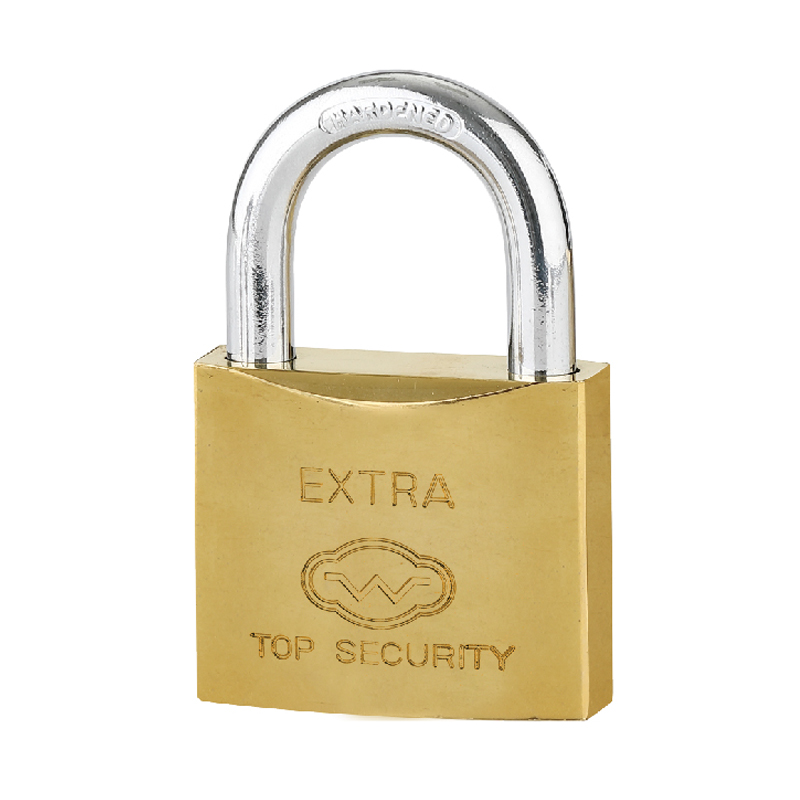
6. Manufacturing Perspective
From the standpoint of a professional padlock manufacturer, the choice of material directly influences the entire production process.
- Copper padlocks require precise CNC machining, polishing, and surface finishing, which increases production cost but results in premium quality.
- Iron door locks can be produced at larger scales through casting and stamping, offering more affordable mass-market options.
- Factories often combine both materials, such as zinc-plated steel padlocks, to balance cost and corrosion resistance.
Additionally, manufacturers provide customization services — including engraving logos, color coating, or integrating electronic mechanisms — to create personalized security door locks that meet specific customer needs.
7. Maintenance and Longevity Considerations
Even high-quality copper padlocks or iron door locks require proper maintenance to improve lifespan and security. For copper padlocks, regular cleaning and occasional lubrication of the cylinder keep the mechanism smooth, while polishing preserves the natural gloss and patina. For iron door locks, anti-rust coatings should be inspected periodically, and oiling the moving parts can prevent corrosion from compromising safety. Choosing locks with security door locks certification or reinforced designs adds an additional layer of confidence, ensuring that both copper and iron locks continue to provide reliable protection for years, whether used indoors or exposed to the elements outdoors.
8. Conclusion
Both iron door locks and copper padlocks have distinct strengths.
Copper padlocks offer outstanding corrosion resistance, mechanical precision, and long-term stability, making them good for premium or outdoor use.
Iron padlocks, on the other hand, provide a cost-effective and practical choice for general or indoor applications, though they require more maintenance.
When choosing security door locks, users should consider the environment, security requirements, and desired aesthetic. As an experienced manufacturer, we continue to improve material processing and coating technologies to ensure that both iron padlocks and copper padlocks deliver good security and reliability for every user.
The Difference Between Iron Padlock and Copper Padlock?
High Security Padlock Factory
Copyright © Zhejiang Pujang Wushi Locks Co., Ltd. All Rights Reserved.
