 English
 Español
 中文简体
中文简体 русский
The Principle and Structure of Copper Lock?
1. Introduction
Copper locks and copper padlocks are widely used in modern residential, commercial, and industrial settings because of their durability, reliability, and aesthetic appeal. Understanding the copper lock principle structure is essential not only for end-users seeking high-quality security but also for manufacturers designing locks that balance strength, precision, and corrosion resistance.
A well-designed door lock with key ensures secure access while providing smooth operation and long-term reliability. Copper and copper zinc alloys are materials of choice for many lock components because they combine natural corrosion resistance, mechanical strength, and outstanding workability. In this article, we will explore the principle and structure of copper locks, focusing on the material characteristics of each key component and how they integrate to form a highly reliable security device.
2. The Lock Body: Material and Design
(1) Material Selection
The lock body is the main housing of a copper lock or copper padlock and is usually made from brass, which is a copper zinc alloy. This combination provides a balance between hardness and corrosion resistance. Copper's natural ability to resist oxidation helps prevent rusting over time, while the addition of zinc improves mechanical strength, ensuring that the lock body can withstand physical impacts and environmental stresses.
Compared with iron or aluminum locks, copper zinc alloy locks maintain their structural integrity longer in humid or outdoor environments. This makes them particularly suitable for outdoor gates, marine environments, and high-security residential doors. The choice of copper alloy also allows for smooth surfaces and precise machining, which are essential for fitting the lock core and pins accurately.
(2) Structural Design
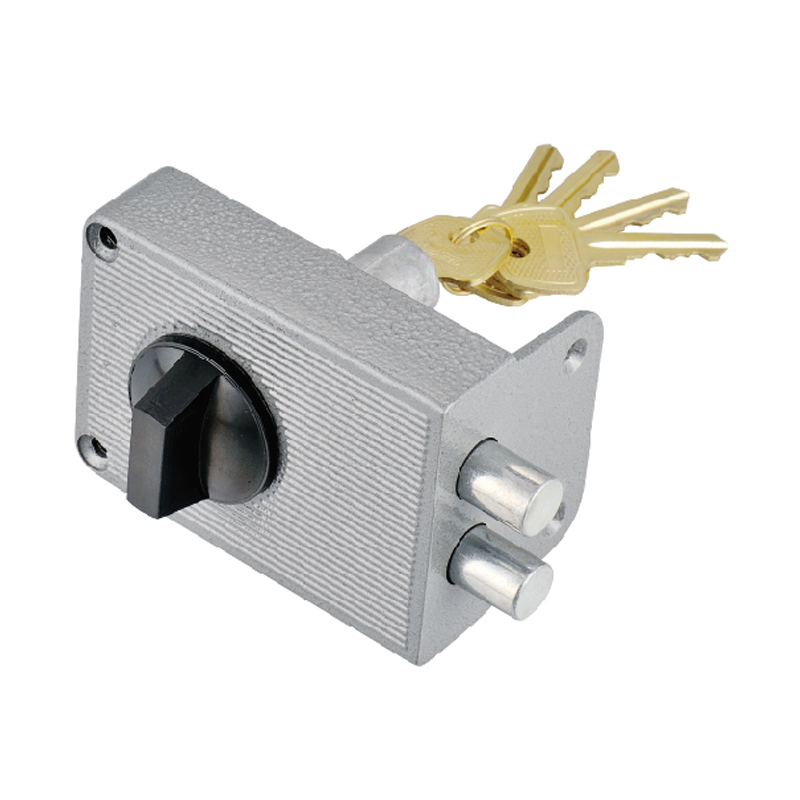
The lock body is carefully designed to accommodate the lock core, pins, springs, and other internal components. Its walls are thick enough to resist tampering, yet precisely machined to allow smooth rotation of the cylinder. Many copper locks feature internal cavities for lubrication channels, which enhance long-term smooth operation. Additionally, modern manufacturers apply surface treatments such as chrome plating, polishing, or nickel coating to further increase durability and aesthetic appeal.
The lock body's design directly influences the lock's overall performance, as it must securely house all internal parts while resisting mechanical stress and environmental corrosion.
3. The Lock Core: Pin Mechanism
(1) Internal Structure
At the heart of every copper lock lies the lock core, which contains multiple pin holes. Each hole houses two pins: a driver pin and a key pin, both held in place by small springs. This double-pin configuration is crucial for ensuring that only the correct key can operate the lock.
The copper lock core is precision-machined from copper or copper zinc alloy to guarantee smooth operation and long-lasting reliability. High-quality cores are resistant to wear and maintain consistent performance over thousands of cycles.
(2) Working Principle
When a door lock with key is engaged, the serrated teeth of the key lift the pins inside the lock core to specific heights. The alignment between the upper and lower pins matches the shear line between the lock cylinder and the lock body. Only when all pins are correctly positioned can the cylinder rotate, allowing the lock tongue or bolt to move freely. This principle ensures high security, preventing unauthorized access from incorrect keys.
(3) Material Considerations
Lock cores made from copper or copper zinc alloy benefit from both hardness and corrosion resistance. These materials maintain the mechanical precision required for smooth operation while resisting oxidation over time. In manufacturing, CNC machining and careful heat treatment are often employed to enhance dimensional accuracy, further improving security and durability.
4. Lock Tongue / Lock Beam: Mechanism and Material
(1) Functional Description
The lock tongue or lock beam is the component that physically engages with the door frame to secure it in place. When the key rotates in a copper padlock or door lock with key, the cylinder's motion retracts or extends the lock tongue. This movement locks or unlocks the door.
(2) Material Selection
The lock tongue is typically made from copper zinc alloy or hardened steel. Copper-based tongues are naturally resistant to corrosion and have a smooth surface that interacts reliably with the lock body. Steel tongues, while harder and more resistant to cutting or sawing, are often coated or plated to prevent rust. Choosing the right material ensures that the lock tongue can withstand repeated use without deformation or failure.
(3) Structural Integration
The lock tongue is precisely fitted to the cylinder and lock body, ensuring smooth operation and accurate engagement. Tolerances are tightly controlled in manufacturing to avoid misalignment, which could compromise security or cause the lock to jam. Quality control in this phase is critical, as the tongue must operate flawlessly over thousands of locking cycles.
5. Key and Keyway: Precision and Security
(1) Key Design
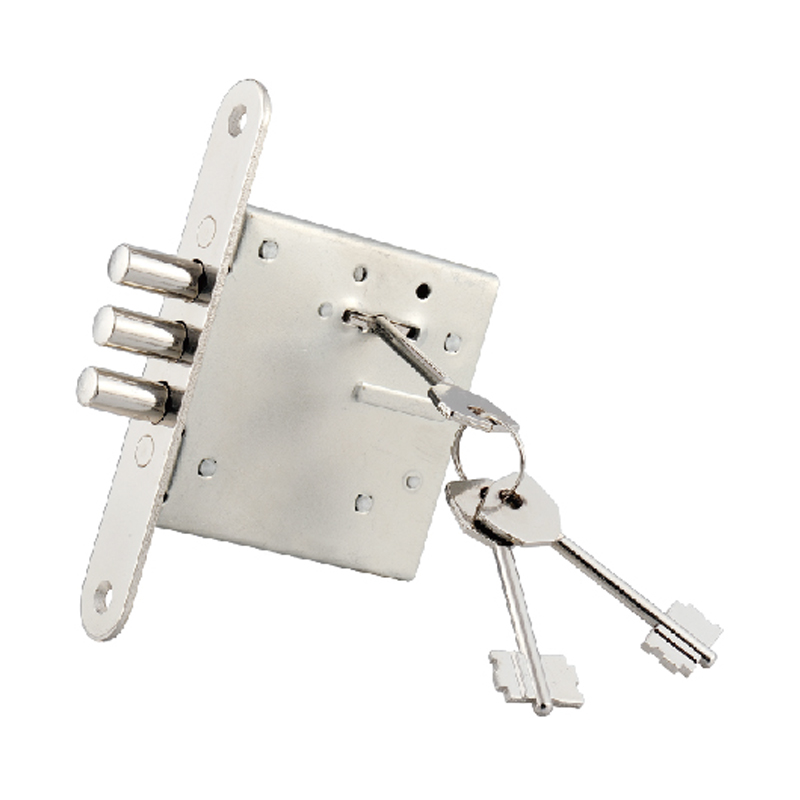
The key is a critical component of a door lock with key system. Its serrated teeth correspond to the pins inside the lock core. Only the correct key, with precise tooth heights, can lift the pins to the correct positions along the shear line. Keys for copper locks are typically made from brass or nickel-plated copper for durability and resistance to wear.
(2) Keyway Structure
The keyway—the slot in which the key is inserted—is designed to provide both security and smooth operation. High-security copper padlocks often have complex keyways to prevent unauthorized duplication or picking. Modern manufacturers may produce double-bitted or multi-pin keyways to increase resistance to tampering.
(3) Material and Durability
The key and lock core work together as a precise mechanical system. Copper and copper zinc alloy materials ensure minimal wear between the key and pins over time, preserving smooth operation. CNC machining and polishing are commonly used to achieve accurate tolerances and prevent friction-related failures.
6. Surface Treatments and Corrosion Protection
Even though copper and copper zinc alloys are naturally corrosion-resistant, copper locks often undergo additional surface treatments. These include polishing, nickel or chrome plating, and sometimes anodization. Surface treatments enhance durability, protect against oxidation, improve aesthetic appeal, and sometimes reduce fingerprints or wear marks. This ensures that copper padlocks maintain both functional performance and visual appeal, even in harsh environments.
7. Integrating Components for good Security
The effectiveness of a copper lock lies in the integration of all its components: lock body, lock core, lock tongue, and key/keyway. Each part is carefully engineered and manufactured from copper or copper zinc alloy to provide corrosion resistance, mechanical strength, and smooth operation.
From a manufacturing perspective, precise machining, heat treatment, and quality control are essential. Together, these ensure that each copper padlock or copper lock provides long-lasting security while maintaining aesthetic appeal. Whether used in residential doors, cabinets, or high-security applications, the combination of material selection and structural design makes copper locks a reliable choice.
High-quality copper locks and copper zinc alloy locks offer long-term durability, corrosion resistance, and smooth operation. When combined with proper surface treatment and precision engineering, these locks remain a trusted solution for door lock with key systems, providing both security and aesthetic value for years to come.
The Principle and Structure of Copper Lock?
High Security Padlock Factory
Copyright © Zhejiang Pujang Wushi Locks Co., Ltd. All Rights Reserved.
