 English
 Español
 中文简体
中文简体 русский
What Makes An OEM Padlock Suitable For Industrial Applications?
Padlocks are often treated as simple hardware, yet real usage scenarios are seldom simple. Storage rooms, tool cabinets, outdoor gates, logistics containers, and temporary facilities all place different demands on a lock. An OEM Padlock is usually developed to match a specific application rather than being a one-size product.
The usage environment is the starting point. Outdoor locations expose the lock body and shackle to rain, dust, and temperature changes. Indoor applications may focus more on ease of operation and cost balance. From a factory perspective, defining these conditions early helps avoid mismatched materials or internal structures.
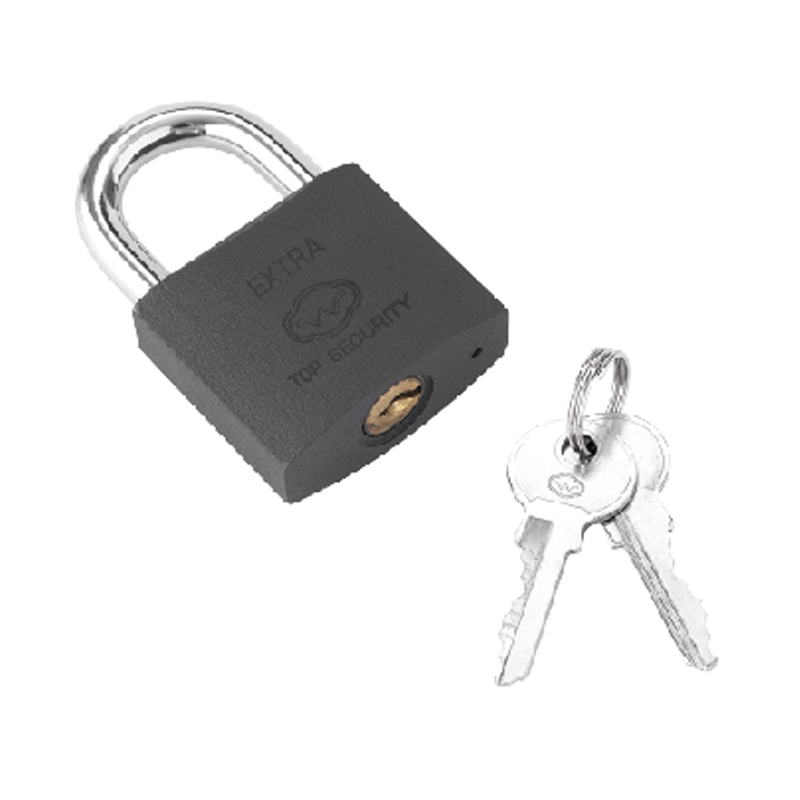
Key systems also influence daily experience. Some projects require keyed-alike systems for operational convenience, while others prefer different keys for access control. These decisions shape the design of the cylinder and its internal tolerance levels. A Factory OEM Padlock typically evaluates these factors during early technical communication, rather than after production begins.
Material Choices and Their Practical Impact
Material selection affects both lifespan and user experience. Iron padlocks and brass padlocks remain the two common options in the industry, each serving different expectations.
Iron padlocks are widely used for general locking tasks. Their structure offers solid strength and stable performance in indoor or semi-covered environments. With surface treatments like zinc plating or powder coating, iron locks can handle moderate exposure. For projects with cost sensitivity and standard usage, this material remains a practical option.
Brass padlocks are chosen when environmental resistance is a priority. Brass naturally handles humidity and weather changes with less surface reaction. This makes it suitable for outdoor storage, ports, and long-term installations. The machining characteristics of brass also support smoother key movement, which is often noticed after extended use.
When developing an OEM Padlock, factories evaluate material not only by strength, but also by machining consistency, appearance, and long-term stability. These factors influence return rates and maintenance feedback later in the supply cycle.
Production Details That Influence Consistency
Padlock quality is seldom decided by appearance alone. Internal alignment, shackle hardness, and cylinder tolerance all shape real-world performance. Professional factories rely on controlled processes to keep these elements consistent across batches.
Shackle material is one example. Hardened steel shackles resist cutting tools better than standard steel, but they also require precise heat treatment to avoid brittleness. Cylinder components demand accurate machining so that keys operate smoothly without excessive wear.
A Factory OEM Padlock usually passes through multiple inspection stages. These may include dimensional checks, cycle testing for key operations, and corrosion exposure tests. Such steps reduce variation between units, which matters when locks are used across multiple sites or projects.
Customization Without Complicating Supply
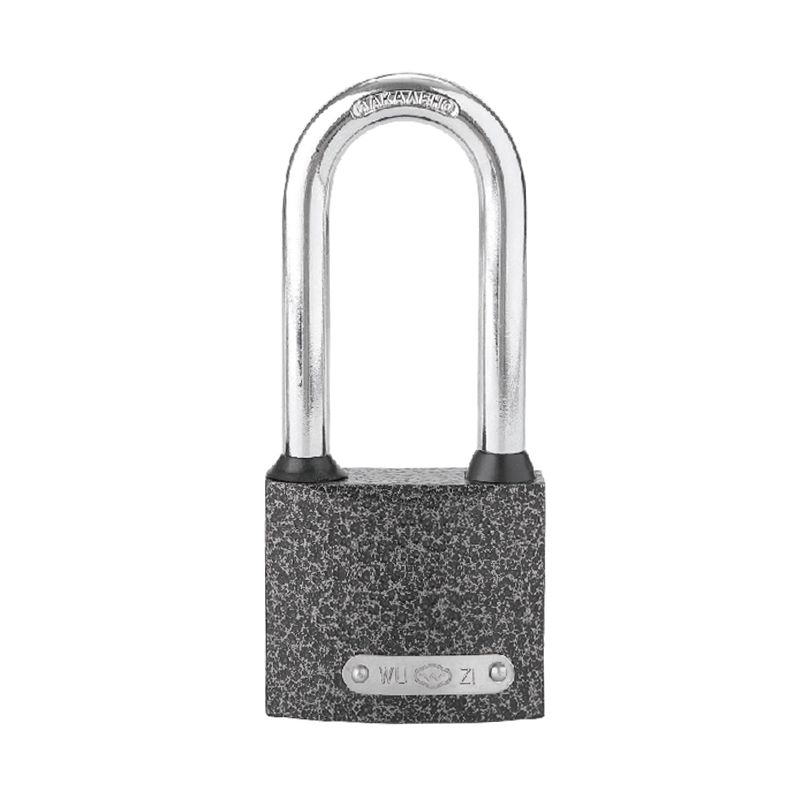
Customization is one reason many brands and distributors choose an OEM Padlock instead of off-the-shelf models. Logos, body colors, packaging styles, and key systems can all be adapted without changing the core lock structure.
From a factory viewpoint, effective customization starts with standardized components. Using stable internal designs allows external features to change without affecting performance. This approach keeps cycle times predictable and supports repeat orders with consistent quality.
Branding on lock bodies or keys also requires attention to durability. Stamped or engraved markings tend to last longer than surface printing, especially in outdoor conditions. A Factory OEM Padlock considers how branding interacts with coatings and daily handling.
An OEM Padlock developed with clear application data tends to perform steadily over time. Material choice, structure, and testing methods are aligned from the beginning, reducing adjustments later. This stability benefits both production planning and downstream usage.
Rather than focusing only on price or appearance, many industrial users now evaluate padlocks as part of a broader system. A Factory OEM Padlock fits into this approach by offering controlled production, material transparency, and repeatable results across different batches.
What Makes An OEM Padlock Suitable For Industrial Applications?
High Security Padlock Factory
Copyright © Zhejiang Pujang Wushi Locks Co., Ltd. All Rights Reserved.
