 English
 Español
 中文简体
中文简体 русский
How Can A Padlock Protect Equipment In Different Conditions?
A Padlock is more than a simple lock—it serves as a critical component in securing tools, storage, and access points across multiple industries. Different environments present unique challenges. In construction sites, a padlock may face dust, vibration, and heavy handling. In logistics or warehouse applications, frequent operation and exposure to temperature changes are important factors.
Factories offering For Sale High Quality Padlock focus on evaluating these real-world conditions before production. The decision goes beyond aesthetics; understanding daily usage, environmental exposure, and access requirements shapes the lock's structure, material, and internal components.

Material Selection: Balancing Durability and Performance
Material significantly influences a padlock's longevity and reliability. Steel, stainless steel, and brass are commonly used materials, each catering to different conditions.
Steel padlocks provide solid resistance against cutting and impact. They are suitable for indoor or semi-covered storage areas. When treated with zinc plating or powder coating, steel padlocks can handle moderate moisture exposure. However, long-term outdoor exposure may still cycle to surface wear.
Brass padlocks, on the other hand, naturally resist corrosion and maintain smooth key operation over time. They are preferred in environments with high humidity or outdoor exposure. Brass machining allows precise cylinder tolerances, ensuring consistent performance. Many For Sale High Quality Padlock lines include brass options to meet industrial durability needs while maintaining user-friendly operation.
Material choice also affects maintenance frequency and visual appeal. A well-selected padlock retains its function and appearance, reducing operational interruptions and enhancing professional presentation.
Design Features That Affect Practical Use
A padlock's internal structure directly impacts security and ease of use. Shackle thickness, locking points, and cylinder design are all crucial elements. Hardened steel shackles resist tampering, while precision-machined cylinders ensure smooth key action even after repeated use.
Some designs incorporate double-locking mechanisms or anti-pick components to provide additional protection without complicating operation. Factories producing For Sale High Quality Padlock often test multiple cycles to evaluate how internal parts interact under repeated opening and closing. This approach ensures that locks remain reliable during extended service life.
Ergonomic considerations, such as shackle clearance and body size, also play a role in industrial applications. Locks that are easy to handle reduce operational friction, while still meeting security requirements.
Quality Control and Production Consistency
Consistency is key for industrial padlocks. When multiple units are deployed across sites, performance should remain uniform. Factories implement standardized production methods, material sourcing, and multi-stage inspections to maintain reliability.
Inspection routines may include shackle hardness testing, cylinder smoothness checks, corrosion resistance testing, and key operation trials. These steps verify that each For Sale High Quality Padlock performs as expected, reducing the chance of functional issues in demanding environments.
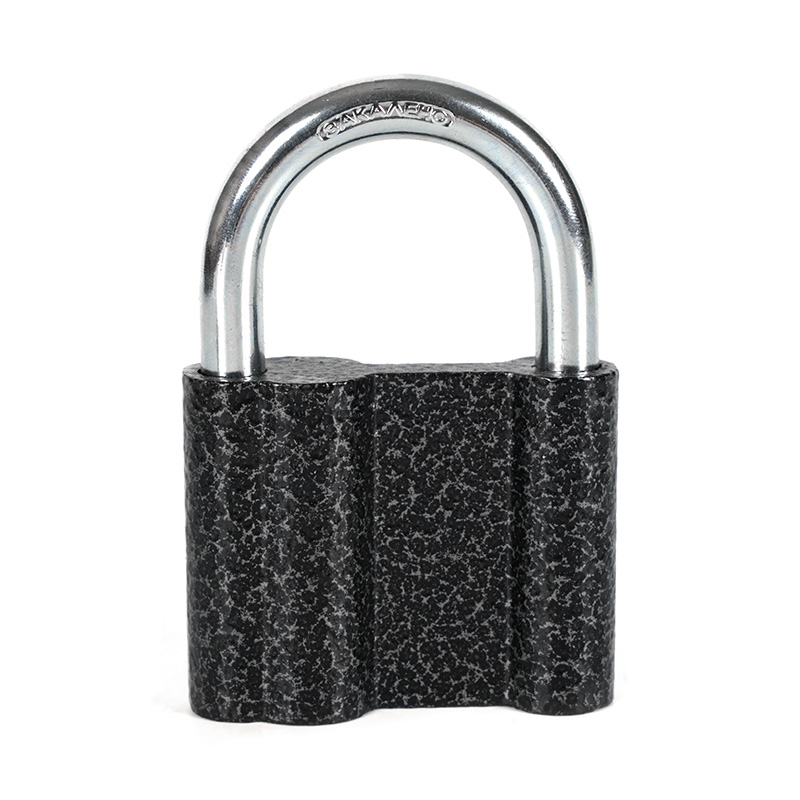
Customization is also supported without affecting core performance. Body color, logos, and packaging can be tailored for branding purposes while maintaining consistent lock functionality. This combination of flexibility and reliability makes factory-produced padlocks suitable for B2B applications.
Maintenance and Longevity Tips
Even high-quality padlocks require simple care to sustain performance. Regular lubrication of the cylinder, cleaning of the shackle, and inspection for surface wear can prevent common issues. In harsh outdoor conditions, protective coatings or covers may extend service life.
When planning long-term projects, selecting a padlock that matches environmental and operational demands reduces replacement costs and downtime. Partnering with suppliers offering For Sale High Quality Padlock ensures access to locks designed for both practical durability and predictable performance.
A well-chosen padlock combines material durability, precise internal design, and controlled manufacturing. This alignment makes it suitable for repeated use across industrial settings while maintaining functional reliability and ease of operation.
How Can A Padlock Protect Equipment In Different Conditions?
High Security Padlock Factory
Copyright © Zhejiang Pujang Wushi Locks Co., Ltd. All Rights Reserved.
