 English
 Español
 中文简体
中文简体 русский
What Maintenance Helps Keep A Padlock Operating Smoothly?
A padlock is often treated as a standard piece of hardware, but its effectiveness depends on the environment and usage conditions. Industrial operations, storage facilities, and construction sites place different demands on locks. A padlock may face dust, temperature changes, heavy handling, or exposure to moisture.
Understanding these conditions helps determine which material, shackle type, and internal mechanism are appropriate. For example, frequent operation may require smooth cylinder movement and consistent key alignment, while outdoor or coastal locations call for corrosion-resistant materials.
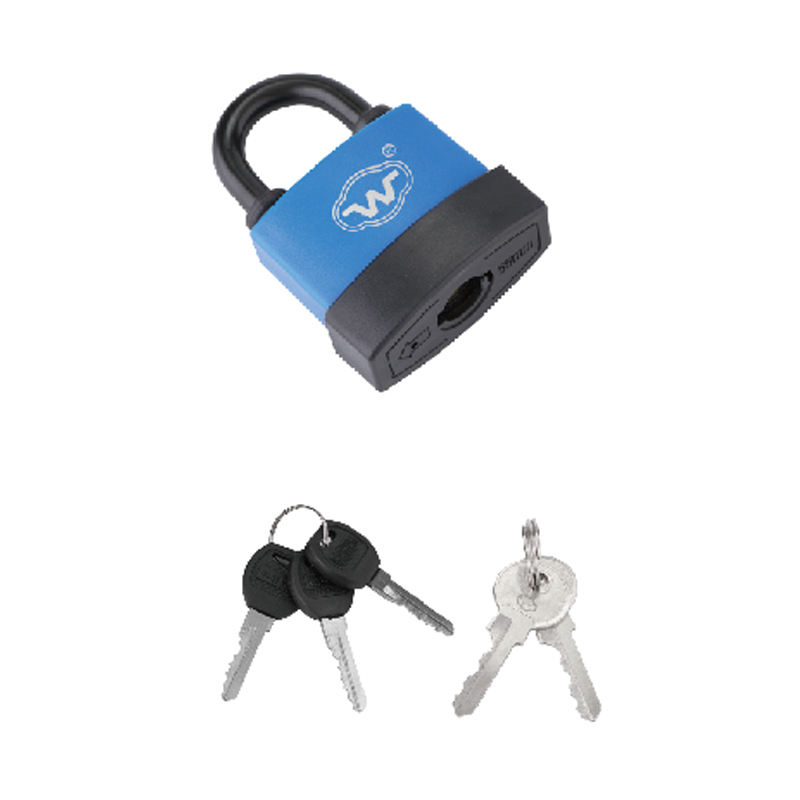
Factories offering Wholesale High Quality Padlocks frequently consult on intended use scenarios to match design choices with real-world needs. This ensures that the lock performs reliably throughout its lifecycle without frequent adjustments or replacements.
Material Selection and Its Practical Effects
The material of a padlock plays a central role in its durability and ease of use. Steel, stainless steel, and brass are common materials, each serving distinct requirements.
Steel padlocks provide structural strength and are often chosen for indoor or semi-covered areas. Treatments such as zinc plating or powder coating improve corrosion resistance but may not fully prevent wear in harsh outdoor environments.
Brass padlocks are well-suited for humid or outdoor applications. Their natural corrosion resistance and machining precision ensure smooth key operation over extended periods. Many Wholesale High Quality Padlock lines include brass options to accommodate industrial environments where reliability over time is a priority.
Material choice also affects maintenance. Steel may need occasional cleaning and coating upkeep, while brass generally maintains performance with minimal intervention. Considering material in great reduces operational downtime and extends service life.
Internal Design and Functional Considerations
A padlock's internal mechanism, including shackle type, cylinder design, and locking points, directly impacts its reliability. Hardened steel shackles resist cutting or deformation, while precise cylinder components keep key operation smooth even after repeated cycles.
Some padlocks feature double-locking or anti-pick mechanisms to increase security without complicating usage. Production lines for Wholesale High Quality Padlocks often include testing cycles simulating months of use to verify consistent performance.
Ergonomic design matters as well. Shackle clearance, lock body dimensions, and weight influence handling, particularly in industrial or multi-site applications. A well-designed padlock balances security, ease of use, and long-term durability.
Quality Control in Manufacturing
Consistency is crucial for locks deployed across multiple locations. Factories maintain reliable performance by standardizing raw material sourcing, machining processes, and assembly procedures.
Quality inspections typically include dimensional accuracy, shackle strength, cylinder smoothness, and corrosion resistance. These steps confirm that each Wholesale High Quality Padlock meets performance expectations, reducing operational disruptions.
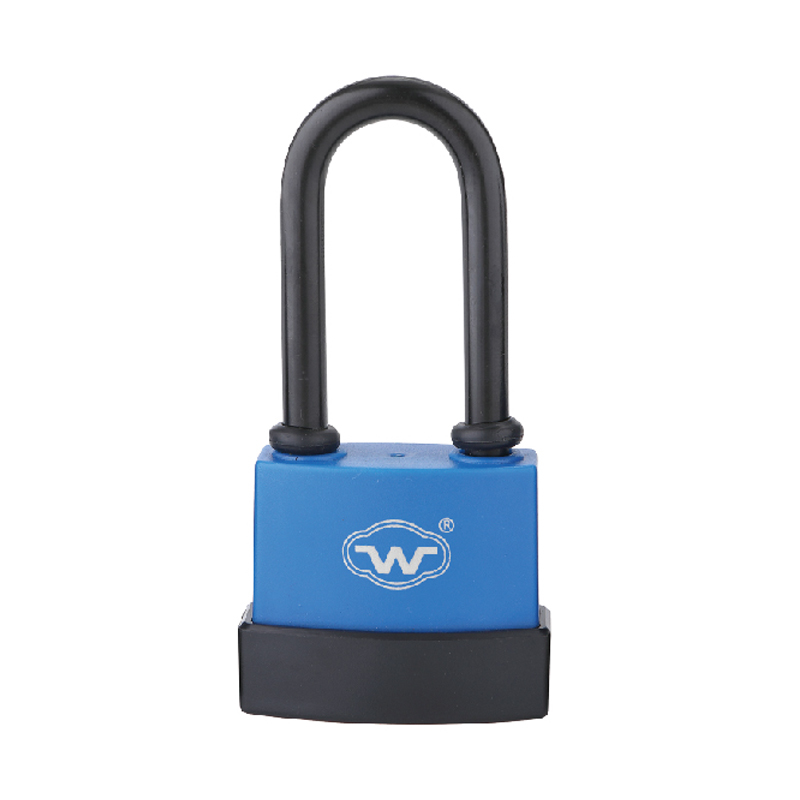
Customization is often available without affecting core functionality. Options may include colored coatings, logos, or packaging, allowing branding while maintaining mechanical integrity.
Maintenance Tips for Longevity
Even high-quality padlocks benefit from simple care. Regular lubrication of the cylinder, cleaning the shackle, and monitoring for surface wear can prevent common issues. In outdoor installations, protective covers or coatings can further extend service life.
Selecting a padlock suited to operational demands reduces replacements and downtime. Partnering with factories providing Wholesale High Quality Padlock ensures consistent quality, long-term reliability, and practical performance across various industrial applications.
Well-chosen padlocks combine material durability, functional design, and controlled production to maintain security and usability for extended periods.
What Maintenance Helps Keep A Padlock Operating Smoothly?
High Security Padlock Factory
Copyright © Zhejiang Pujang Wushi Locks Co., Ltd. All Rights Reserved.
