 English
 Español
 中文简体
中文简体 русский
How Is A Factory OEM Padlock Different From Standard Padlocks
At glance, padlocks do not look very different from each other. A metal body, a shackle, and a locking mechanism. Most people only notice small variations in shape or finish.
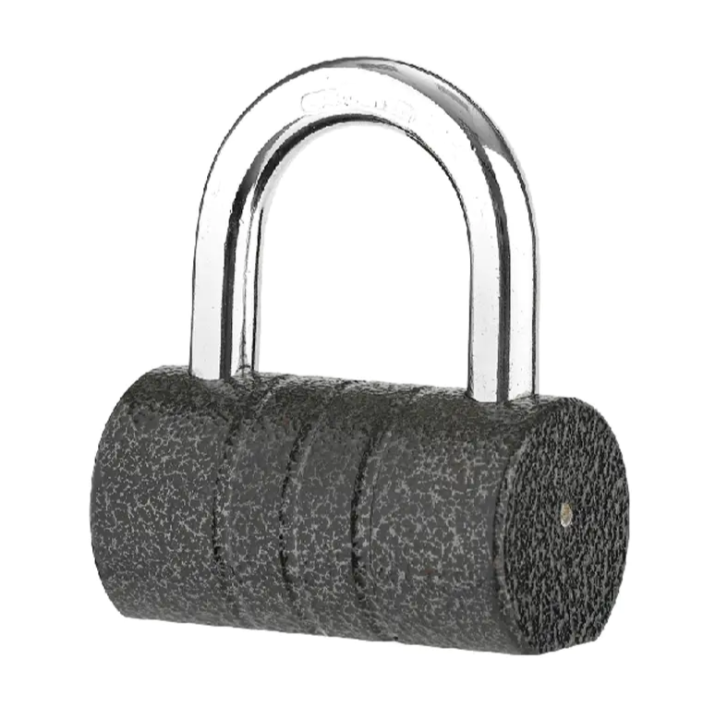
The real difference shows up in how they are made and what they are made for. Factory OEM padlocks and standard padlocks may sit in the same category, but they follow different production ideas.
One is built around specific requirements. The other is built around repetition and stability.
What Does A Factory OEM Padlock Mean In Real Production?
OEM production usually means the factory makes padlocks based on a request from a buyer or client. The design is not fixed in advance. It can be adjusted depending on what is needed.
That might include changes in structure, appearance, or how the lock is intended to be used.
In simple terms, the factory is not only producing. It is also adapting.
Standard padlocks are different. They follow a fixed design. Every batch is made in the same way, with little change from one unit to another.
This creates two different production styles: one flexible, one stable.
Why Does Production Style Change The Final Product?
The way a padlock is produced often affects how it feels in real use.
OEM production allows changes during manufacturing. This can Find to small differences between products, depending on the order.
Standard production focuses on repetition. The goal is to make each unit feel almost identical.
| Aspect | OEM Padlock | Standard Padlock |
|---|---|---|
| Design approach | Based on request | Fixed design |
| Product variation | More flexible | More uniform |
| Production focus | Adaptation | Repetition |
| Usage direction | Specific needs | General use |
Neither approach is better in every case. They simply serve different expectations.
How Does Customization Change OEM Padlocks?
Customization is one of the noticeable differences.
In OEM production, details can be adjusted before or during manufacturing. These changes are based on what the buyer wants the final product to be.
This may include:
- Changes in outer shape
- Adjustments in locking style
- Surface finishing differences
- Small structural modifications
Because of this, OEM padlocks from the same factory may not always look exactly the same if they are made for different orders.
Standard padlocks stay mostly unchanged. Once the design is set, it rarely shifts.
That makes them easier to recognize and replace, especially in bulk use.
Is Consistency The Same In Both Types?
Consistency exists in both, but it is handled differently.
Standard padlocks are designed to be identical across production. Each unit is expected to behave the same way.
OEM padlocks focus on consistency within each specific order. The goal is to match the agreed design, even if it differs from other orders.
In practice:
- Standard products feel more uniform across batches
- OEM products stay consistent within their own design group
The idea of consistency depends on what is being compared.
How Do Materials And Structure Differ?
Materials and structure often follow the production goal.
Standard padlocks usually use a fixed material setup. The structure is already defined, so production stays stable and repetitive.
OEM padlocks may change materials or internal structure depending on the requirement.
This can affect how the lock feels during use, especially in movement and handling.
| Area | OEM Padlock | Standard Padlock |
|---|---|---|
| Material choice | Can vary by request | Fixed selection |
| Internal structure | Adjustable | Stable layout |
| Design logic | Requirement based | Standardized |
| Product behavior | May differ slightly | More uniform |
These differences come from flexibility versus stability, not from product ranking.
How Does Quality Control Work In Each Type?
Quality control exists in both types, but the focus shifts slightly.
In OEM production, checks are based on the specific design being produced. The factory needs to make sure the final product matches the agreed requirements.
In standard production, the checks are more repetitive. Since the design does not change, inspection becomes more routine.
OEM checks often focus on:
- Matching requested design details
- Keeping function stable within the order
- Ensuring parts fit the customized structure
Standard checks focus more on repetition and uniform output.
Why Do Buyers Choose OEM Padlocks?
OEM padlocks are usually chosen when there is a need for something specific.
That might be related to usage environment, structure preference, or even simple design adjustment.
Common reasons include:
- Need for product adaptation
- Preference for customized structure
- Specific application requirements
- Branding or appearance adjustments
Standard padlocks are often chosen when simplicity and easy replacement are more important.
How Does User Experience Differ?
From a user point of view, the difference is often subtle.
Standard padlocks feel familiar. Once you understand one, others usually behave the same way.
OEM padlocks may feel slightly different depending on how they were designed. The experience can vary from one version to another.
This is not about quality being better or worse. It is about predictability versus variation.
Some users prefer consistency. Others prefer something adjusted to their situation.
What Does This Difference Mean In Real Use?
In daily use, both types serve their own role.
Standard padlocks are easy to understand and replace. They fit general situations where uniformity matters.
OEM padlocks are more flexible. They fit situations where requirements are not fixed and adjustments are needed.
Factories often produce both, depending on demand.
In the end, the difference is less about appearance and more about purpose.
How Is A Factory OEM Padlock Different From Standard Padlocks
High Security Padlock Factory
Copyright © Zhejiang Pujang Wushi Locks Co., Ltd. All Rights Reserved.
