 English
 Español
 中文简体
中文简体 русский
How To Check A Wholesale High Quality Padlock For Better Value?
Security products become meaningful only when they solve real problems for real users. In our padlock factory, we often hear the same concerns from distributors, hardware buyers, and project managers: “How long will the lock last?” “Will it handle outdoor weather?” “Is the key system stable?” These questions reflect the growing demand for a padlock that performs steadily rather than one that looks good only on paper.
A Padlock may seem simple, yet the structure behind it determines how dependable it is in daily use. From the material of the body to the machining of the cylinder, each detail shapes the user's experience. When buyers source a Wholesale high-quality padlock, they expect strong materials, stable key rotation, and consistent protection in various environments. With this in mind, here are several angles that matter to buyers today.

1. Picking a Padlock That Matches Real Application Needs
The right lock is always tied to where it will be used. Outdoor environments, for example, expose the lock to humidity, rain, and temperature changes. For these conditions, corrosion-resistant materials such as brass offer dependable performance. Indoor or temporary use may focus more on affordability, especially when buyers need large quantities.
The shackle is another factor. A hardened steel shackle gives the lock strong resistance against cutting attempts. A well-machined brass cylinder further improves key smoothness and lowers the chance of wear after long periods of use. Many buyers also look for a double-locking structure, which adds another point of resistance inside the mechanism. These details often influence the life cycle of a Wholesale High Quality Padlock more than the appearance itself.
2. Understanding the Difference Between Iron and Brass Options
Material selection sets the tone for cost, durability, and suitability. Iron locks are chosen by buyers who want a solid and budget-friendly option. Modern surface treatments, such as zinc plating or powder coating, help slow down rust. This makes iron locks suitable for toolboxes, indoor gates, or storage use.
Brass locks, on the other hand, are known for stable performance in different weather conditions. Brass does not rust easily, which helps the lock stay reliable even in humid or coastal environments. Because brass is easier to machine with precision, the key system usually feels smoother and more consistent over time. While brass locks cost more than iron locks, many distributors consider them a good option for outdoor or long-term professional use. A well-designed Padlock made of brass often provides a more predictable experience for end users.
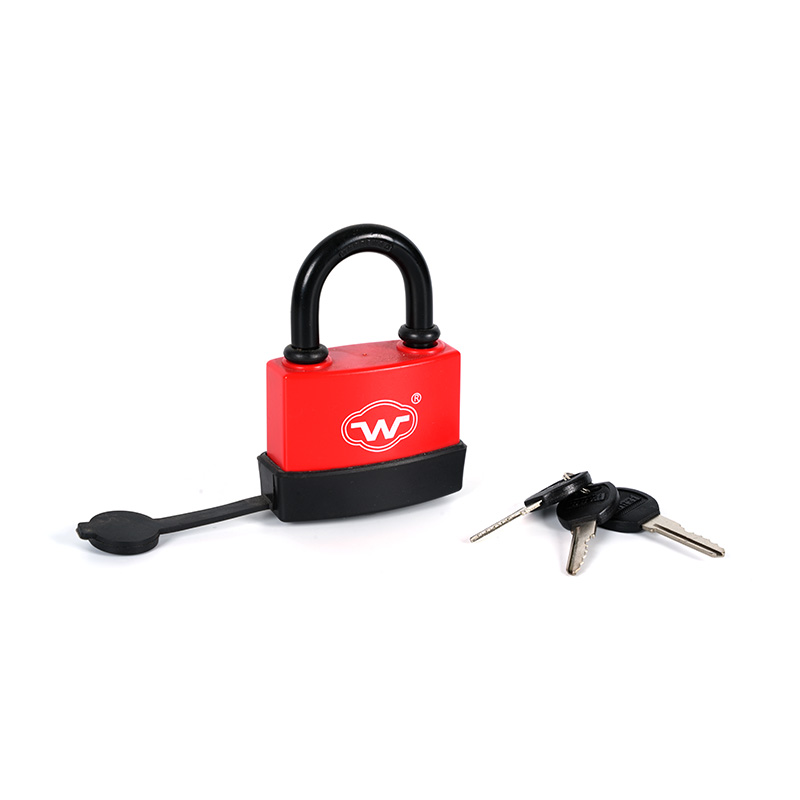
3. What Buyers Should Check When Selecting a Factory
A dependable production partner matters as much as the lock itself. Buyers usually pay attention to the choice of raw materials, shackle hardness, and cylinder accuracy. When a factory is willing to show detailed material data and production steps, it often reflects stable workmanship.
Quality control is another key point. Salt spray testing helps evaluate corrosion behavior, while tensile tests check how much pulling force the lock can tolerate. Key durability tests confirm whether the internal structure remains steady after repeated use. These procedures give buyers confidence that the Padlock they purchase will function well across different markets.
As a manufacturer of iron and brass padlocks, our goal is to help buyers match the right lock with the right environment and application. Whether the need is for outdoor durability or a cost-effective indoor solution, thoughtful material selection and careful production allow each Padlock to deliver steady performance throughout its service life.
How To Check A Wholesale High Quality Padlock For Better Value?
High Security Padlock Factory
Copyright © Zhejiang Pujang Wushi Locks Co., Ltd. All Rights Reserved.
