 English
 Español
 中文简体
中文简体 русский
Why Do Factory OEM Padlocks Differ So Much
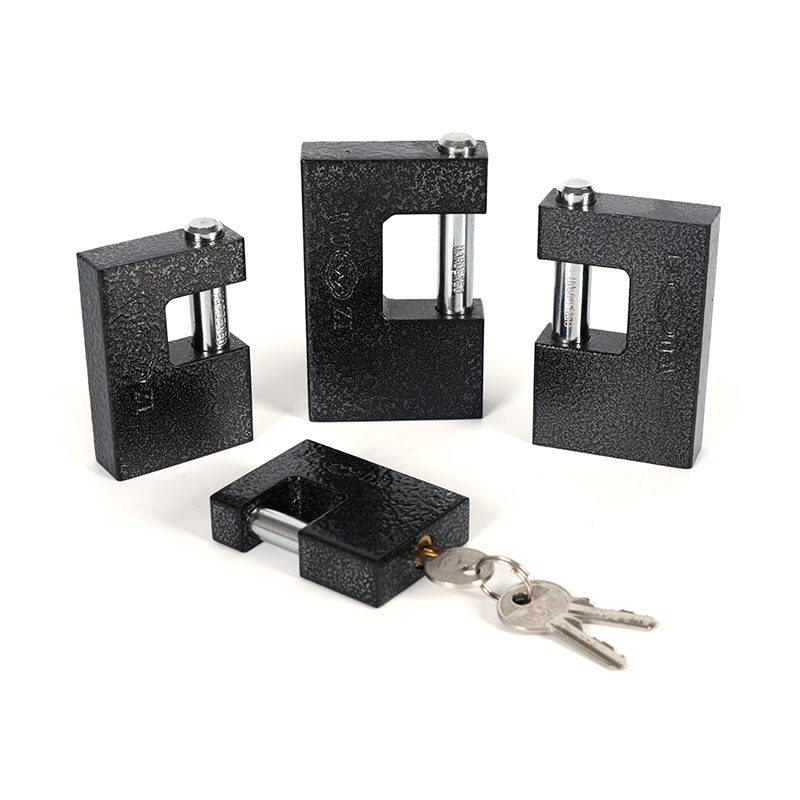
Factory OEM padlocks often look similar on the outside, yet performance gaps become obvious during real use. Differences come from engineering choices, customization depth, production control, and security requirements set by different buyers. A Factory OEM Padlock is not a fixed product line—it is a configurable security solution shaped by contract specifications and manufacturing capability.
1. OEM Specification Flexibility and Design Freedom
OEM production allows customers to define structure, materials, and internal mechanisms. This leads to wide variation in final products even within the same factory.
Common customizable elements include:
- Lock body material (brass, steel, zinc alloy, stainless steel)
- Shackle diameter and height
- Cylinder type (pin tumbler, disc system, anti-drill upgrade)
- Keying system (KD, KA, master keying, restricted keys)
A steel-bodied OEM padlock may prioritize impact resistance, while a brass-bodied version focuses on corrosion resistance. This flexibility creates natural differences in durability, weight, and cost.
2. Cylinder System Selection Drives Security Level
The internal cylinder is the more critical security component, and OEM orders often use different grades.
Typical configurations:
- 4-pin or 5-pin basic systems for general use
- 6-pin systems for higher key variation and anti-picking strength
- Anti-bump or anti-drill upgrades for industrial environments
Precision tolerances in cylinder production are extremely tight, often within 0.02 mm. Even small deviations affect smooth key rotation and resistance against manipulation.
Some OEM designs also integrate:
- Anti-drill steel plates inside the cylinder
- Free-spinning elements to block drilling tools
- Reinforced keyways to resist deformation
These upgrades significantly shift performance between different OEM batches.
3. Shackle Engineering Variations and Attack Resistance
Shackle design varies widely depending on OEM requirements. This component determines resistance to cutting and prying forces.
Common technical ranges:
- Diameter: 6 mm to 14 mm
- Materials: hardened boron steel, stainless steel, alloy steel
- Heat treatment hardness: typically HRC 50–60
Double-locking ball mechanisms are frequently used in higher-security OEM models. These lock both sides of the shackle, reducing leverage-based opening attempts.
Some industrial OEM padlocks also include:
- Hidden shackle designs to reduce tool access
- Extra clearance options for oversized hasps
- Anti-rotation shackles to prevent twisting attacks
These structural differences directly impact physical security performance.
4. Material Choice Changes Environmental Durability
OEM production often targets different usage environments, so material selection varies significantly.
Typical options:
- Brass body: stable machining, good corrosion resistance
- Case-hardened steel: high impact resistance
- Stainless steel: strong anti-rust performance
- Zinc alloy: cost-efficient, moderate durability
Environmental testing may include salt spray exposure exceeding 48–96 hours depending on specification level. Outdoor industrial locks usually require higher corrosion resistance compared to indoor applications.
Coating systems also differ:
- Chrome plating for surface hardness and shine
- Nickel plating for oxidation resistance
- Powder coatings for chemical exposure environments
5. Manufacturing Tolerance and Batch Consistency
OEM padlocks can be produced for different buyers with different quality control thresholds. This creates noticeable variation between batches.
Key production control factors:
- CNC machining accuracy for lock body cavities
- Heat treatment uniformity for shackles
- Cylinder assembly torque calibration
- Key duplication restriction level
High-control OEM orders often include destructive sampling tests such as:
- Pull-force resistance tests
- Shackle cutting simulation
- Key cycle endurance tests (5,000–10,000 cycles or more)
Lower-spec OEM orders may skip some advanced testing stages, resulting in wider performance variation.
6. Key System Management and Access Control Differences
OEM padlocks often differ significantly in how keys are managed.
Options include:
- Keyed-different systems for individual access control
- Keyed-alike sets for grouped access
- Master key systems for layered security hierarchy
- Restricted keyways that prevent unauthorized duplication
Restricted key systems are especially important in industrial or institutional environments, where unauthorized key copying can create security risks.
Some advanced OEM systems use patented key blanks, limiting duplication only to authorized manufacturers.
7. Application-Specific Structural Adjustments
OEM padlocks are frequently designed for specific industries, which leads to structural variations:
- Utility sector locks with corrosion-resistant housings
- Transportation locks with reinforced shackle guards
- Warehouse locks optimized for heavy-duty hasps
- Electrical safety locks using non-conductive materials
These adaptations change not only durability but also size, weight, and locking mechanics.
For example, industrial-grade models may exceed 1 kg in weight, while lightweight safety versions may be under 100 g using reinforced polymer bodies.
Why Do Factory OEM Padlocks Differ So Much
High Security Padlock Factory
Copyright © Zhejiang Pujang Wushi Locks Co., Ltd. All Rights Reserved.
